Study: Spaceflight did not weaken heart muscle cells in mice
The findings give NASA data for longer moon and Mars missions, while researchers seek longer spaceflight studies and tissue collected in orbit.
Thursday, 13 August 2026 16:29
Researchers at the University of Chicago and the University of Nebraska found that 38.5 days on the International Space Station did not significantly weaken mouse heart muscle cell sarcomeres, according to a study reported Aug. 12.
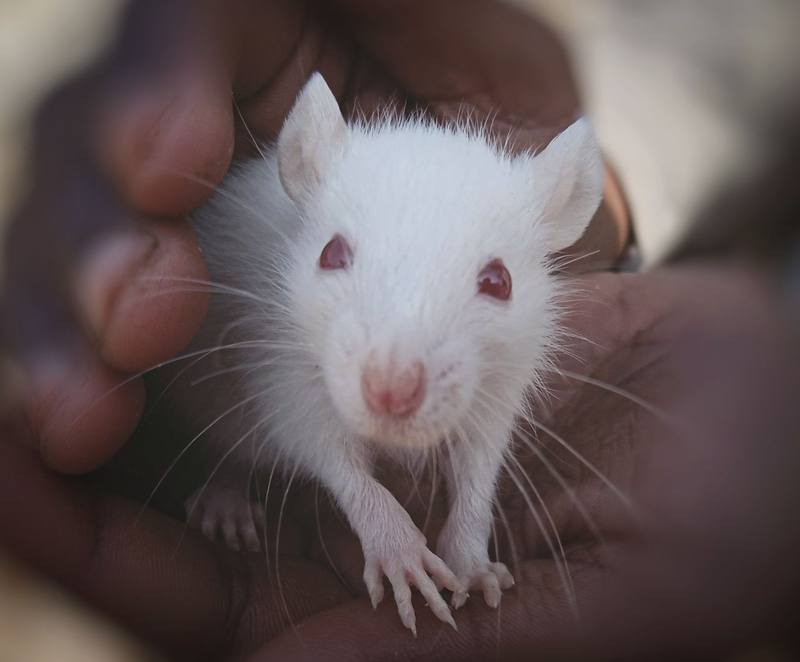
The researchers analyzed heart cells from five mice that had been on the space station and compared them with control mice kept on Earth, according to Phys.org. The sarcomeres, described as molecular motors that make the heart contract, produced contracting force that was just as strong as that of the control mice.
Molecular testing showed no major differences in the proteins that made up the sarcomeres, suggesting heart cells would continue functioning well during a long trip to space. The paper, Henry M. Gong et al., “Space travel does not significantly impact cardiac sarcomere function but does induce immune-related proteomic changes,” was published in npj Microgravity.
“There are a lot of things in common between cardiac and skeletal muscle, so we thought that we would see some decrease in heart function from space travel,” said Jonathan Kirk, a University of Chicago associate professor and co-senior author of the paper. “But in the end, we're pretty happy that this is the result we found.”
The study also detected traces of inflammation and immune-related proteomic changes in the heart cells. Kirk said the team would like to study mice that spent longer periods in space and tissues collected while on the space station, which could help rule out stress from the return trip to Earth.
Astronauts on the International Space Station use treadmills and cycles because extended time in space causes loss of muscle mass and strength. The effects of zero gravity on the heart have been less clear, the article said, as NASA considers longer missions back to the moon and potentially to Mars.
Support nwsTrail
nwsTrail is an independent global news site. Your support helps keep the content free and independent.