Péter Magyar warns Hungary faces critical power crisis
Thursday, 30 July 2026 21:55
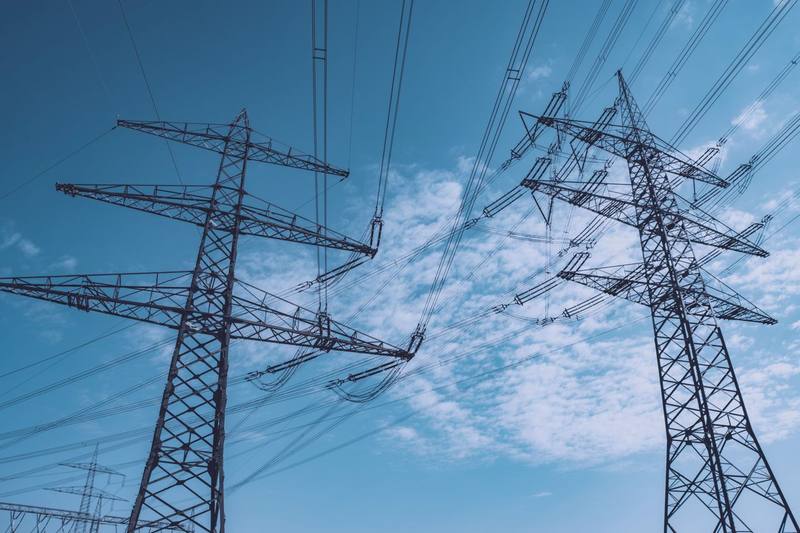
Hungarian Prime Minister Péter Magyar warned on Thursday that Hungary could face a critical power supply situation by Monday because of the expected Paks nuclear plant shutdown, a Dunamenti Power Plant fault and rising demand, 444.hu reported.
Magyar said the government had instructed MAVIR to ask dozens of large consumers using the high-voltage grid to limit electricity use voluntarily during critical periods. The users include battery factories, cement plants, chemical plants, car factories and other industrial sites, according to the report.
The government will mobilise available domestic power plant reserves, seek the necessary electricity imports and cut unnecessary energy use in government buildings, Magyar said. He also asked residents to shift major electricity use outside the evening peak between 5 p.m. and 10 p.m. where possible, including electric car charging and air conditioning.
Magyar said the government had started preparing legislation that would allow mandatory intervention through scheduled, temporary shutdowns of some large consumers. He said MAVIR would decide on any rotational disconnection plan only if reserves, imports, voluntary limits, voluntary shutdowns and other technical tools could not keep the national grid balanced.
“The system operator continuously monitors production, import opportunities and consumption, and uses every possible tool so that official restrictions are not needed,” Magyar said, according to 444.hu. He said hospitals, social institutions and essential national services would receive special protection, and added that the situation was currently manageable despite the extraordinary shutdowns.
Magyar said MAVIR expected peak-period consumption to rise by 20 percent in the coming days because of extreme heat, compared with 6,000 megawatts on an average summer evening. In an earlier 444.hu report, the site said low Danube water levels would make a full Paks shutdown unavoidable within 24 to 72 hours; the Dunamenti fault adds another 400 megawatts of lost capacity, and the pace of repairs was not clear.
Support nwsTrail
nwsTrail is an independent global news site. Your support helps keep the content free and independent.