Climate change warmed the Mediterranean Sea by two degrees
Warmer seas are shifting species toward cooler waters, disrupting food chains, fisheries and aquaculture, and raising coastal humidity and heat risks.
Thursday, 20 August 2026 10:31
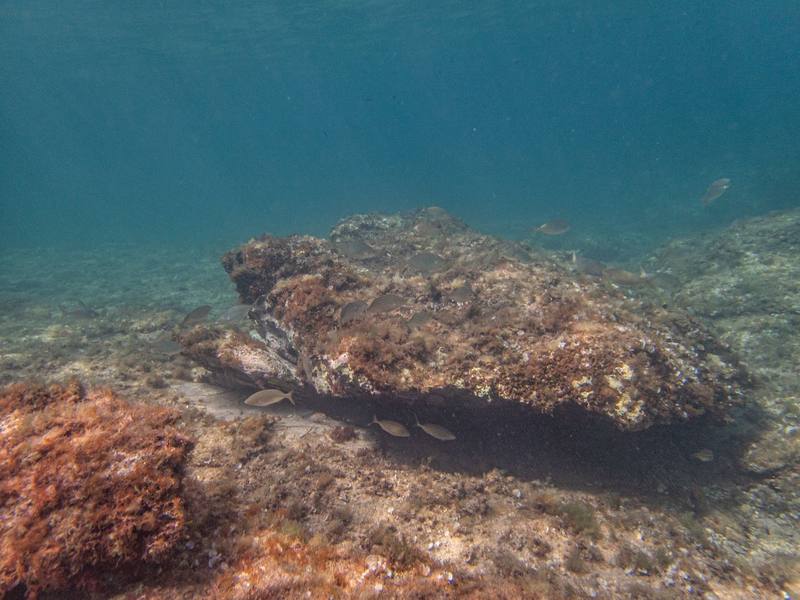
Climate change is the main driver of rising European sea temperatures, directly adding about 2°C to the Mediterranean this summer, Euronews reported.
Scientists from the World Weather Attribution (WWA) group estimated that climate change added about 2°C of warming to the Mediterranean and over 1.3-1.4°C to Western European seas. They reached the figures by combining observational data and climate model simulations.
“From the Atlantic waters off Ireland to the Mediterranean Sea, Europe's seas are experiencing an alarming surge in temperatures,” said co-author Thomas Frolicher, an environmental physicist at the University of Bern, Switzerland. “Our research shows clearly that this is being driven by climate change, in particular by the continued burning of fossil fuels.”
WWA said there is evidence of severe ecological impacts, with species shifting northwards to cooler waters and disrupting food chains, coastal fisheries and aquaculture. “Impacts can spill into land too, with higher sea surface temperatures driving up humidity for coastal areas increasing the risks of extreme heat,” the group said.
Marine ecologist John Bruno said it is surprising “how little warming it actually takes to tip organisms past that threshold to kill them”. “It’s only about 1°C on coral reefs, for example.” Some organisms benefit from heatwaves because they prefer warmer temperatures or because their natural enemies disappear, producing a “kind of reshuffling, reorganisation of communities” with “winners and losers,” he said.
The Copernicus Climate Change Service, the European Union’s global warming monitor, said the world's oceans hit record-high temperatures for a second straight month in July. WWA said some Mediterranean areas recorded sea surface temperatures more than 6°C hotter than normal over the hottest two weeks of July. It said marine heatwaves affected 90 per cent of the Bay of Biscay and Iberian coast region and 80 per cent of the Western Mediterranean this year; without the current 1.4°C of human-caused warming, only around 40 per cent of those areas would have been affected.
Support nwsTrail
nwsTrail is an independent global news site. Your support helps keep the content free and independent.