Iran resumes underground missile production
Renewed output could prolong a war of attrition and add pressure on U.S. and Gulf air-defense interceptor stocks as attacks continue across the region.
Saturday, 12 September 2026 16:24
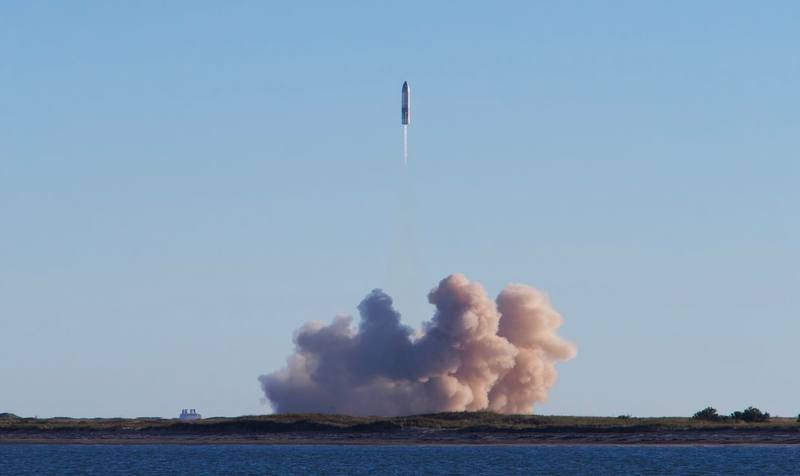
Iran has resumed low-rate ballistic missile production at underground facilities, assembling weapons from prewar stockpiled components despite heavy U.S. and Israeli wartime damage, Ynet News reported.
Iran is assembling both liquid-propellant missiles, which must be fueled shortly before launch, and solid-propellant missiles, which can be stored ready to fire. Intelligence has detected activity at several underground sites, including the Khojir military complex in southeastern Iran, and Tehran is trying to establish new underground assembly sites to make future production harder to target.
Production is still believed to be considerably below prewar levels. U.S. and Israeli strikes damaged factories and other industrial facilities needed to manufacture missiles and components, while a U.S. naval blockade has complicated imports of parts and materials used to produce solid rocket fuel. Defense Secretary Pete Hegseth said in April that Iran’s missile program had been “functionally destroyed” and that Tehran had “no ability to replenish” the weapons it was firing.
The Pentagon said U.S. forces had destroyed as much as 90% of Iran’s drone, ballistic missile and naval industrial base and had significantly degraded its ability to launch missiles and drones. A White House official did not directly address whether missile production had restarted, but said Iran’s military had been severely weakened and reiterated that President Donald Trump would not allow Tehran to acquire a nuclear weapon.
A U.S. official said Iran likely resumed low-rate production after reaching a preliminary agreement with Trump in mid-June to reopen the Strait of Hormuz and begin negotiations aimed at winding down the war. Before the fighting, Iran had accumulated stocks of finished warheads, airframes, guidance systems and other components, allowing it to assemble missiles without immediately restoring its full manufacturing network. Jim Lamson, a former CIA analyst specializing in Iran’s military, said the number of missiles Tehran could assemble depends on the size of those stockpiles and how many underground facilities remain operational: “We could be talking about hundreds of missiles or possibly thousands of missiles.”
Iran depleted much of its completed missile stockpile during the war, forcing it to reduce the size of its barrages, though analysts believe it still has thousands of ballistic missiles. Tehran has continued firing at U.S. military positions across the Middle East, including a heavy barrage Wednesday against an air base in Jordan hosting American troops, and has launched several attacks on U.S. warships in recent days without hitting them. Satellite imagery indicates Iran has been rapidly repairing roads, production sites and entrances to underground missile bases damaged or collapsed in earlier strikes, while Israeli military assessments suggest weapons stored deep inside tunnels may have survived largely intact. Iran still faces obstacles to restoring prewar production, including damage to chemical facilities used for liquid propellants and industrial mixers needed to make solid fuel.
Support nwsTrail
nwsTrail is an independent global news site. Your support helps keep the content free and independent.