France to exceptionally allow the production of stronger champagne than before
The change could affect a small number of 2026 wines and shows how hotter growing seasons are creating new pressures for champagne producers.
Saturday, 12 September 2026 16:46
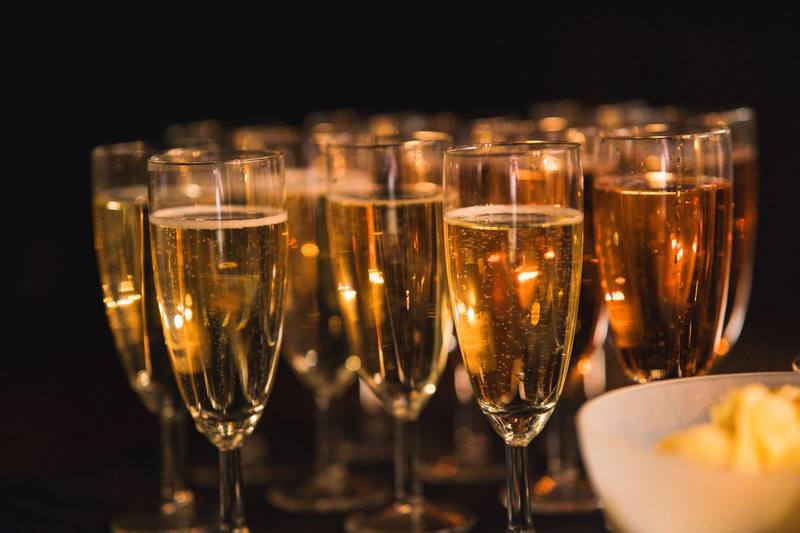
French champagne producers have received temporary approval to raise alcohol levels to 15% for this year's Champagne vintage after heatwaves and drought lifted grape sugar levels, BBC News reported.
The measure allows winemakers to go above the usual 13% cap, but the Comité Champagne said it should affect only a small number of wines. A spokeswoman said that during the second fermentation, which gives champagne its bubbles, "a very small number of wines from this harvest could have slightly exceeded the regulatory limit of 13%, reaching around 13.1% or 13.2%".
"Therefore a decision was made to exceptionally and temporarily increase the regulatory limit to 15% - only for this year," the spokeswoman said. The unusually high sugar levels matter because yeast converts sugar into alcohol during fermentation.
The first grapes were cut in early August, and the harvest expanded by the middle of the month. The industry association called it "the earliest ever recorded in Champagne" and said the 2026 growing season was marked by severe spring frosts, exceptionally early flowering and five summer heatwaves.
Maxime Toubart, co-chair of the Comité Champagne, told AFP that hotter weather means "this unusual harvest will probably become the norm in 10 to 15 years". Stéphane Vignon, a producer in Verzenay, told The Times: "The Mediterranean climate is moving north. This is year one of a new cycle. It's unlikely to be every year, but it will happen again".
Higher-strength champagne may not match consumer preferences, wine columnist and author Jane Anson told The Times. "Today people increasingly prefer lower-alcohol," she said, adding: "The battle between what consumers want and what nature provides must be very stressful for producers." The 2026 vintage is unlikely to reach shelves until 2028 because champagne must age for at least 15 months.
Support nwsTrail
nwsTrail is an independent global news site. Your support helps keep the content free and independent.