Iran Inflation Makes Eggs Safer Than Cash
The pressure is cutting diets and healthcare access while officials flag gasoline, unemployment and livelihoods as possible triggers for unrest.
Monday, 7 September 2026 08:46
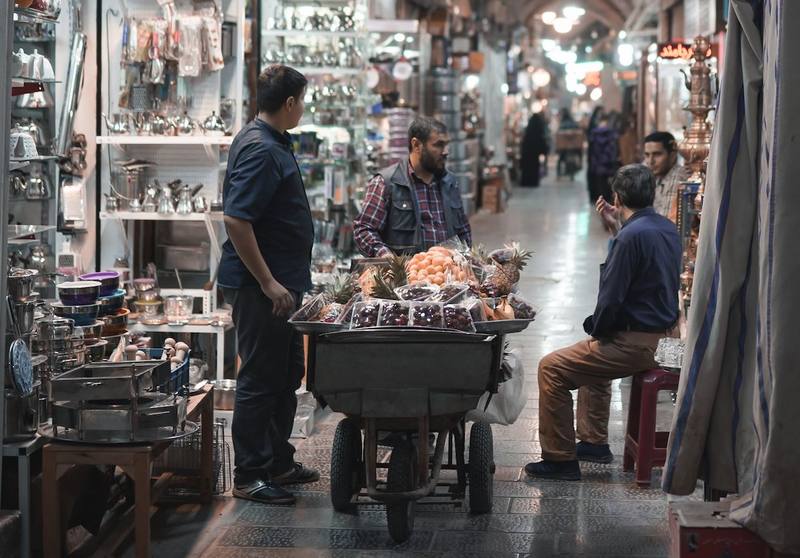
Iranian economists and analysts say inflation and shortages in Iran are now so severe that eggs can preserve value better than cash, Iran International reported, as families race to spend tomans before they lose purchasing power.
Economist Ali Dadpay told the Eye for Iran podcast that ordinary Iranians may lose buying power within a single day. "If you are an average Iranian, you know what you can buy today. You might not buy tomorrow — and by tomorrow, I mean 24 hours later," he said. "This is an economy that right now saving in eggs makes more sense … than saving in tomans," he added. An egg costs roughly 25,000 tomans (0,11 US dollars), but the main issue is how quickly the toman’s purchasing power is eroding.
Dadpay estimated average monthly income in Iran at below $200, while housing takes an increasing share of household earnings. Meat and other proteins are disappearing from some families’ diets, and damaged fruit is becoming an option for ordinary households. He said people face "the frustration, the anger, the feeling of inability to provide for one’s family or afford healthcare services, pay for prescription drugs." Dadpay said Iran is not approaching an economic disaster but is already "in the middle of" one.
The economic pressure has sharpened political concerns as officials identify gasoline, unemployment and livelihoods as possible triggers for unrest. Judiciary chief Gholam-Hossein Mohseni-Ejei has threatened a tougher response to renewed protests, while leaked Basij audio exposed concern about further unrest. Strategic forecaster Kamran Bokhari cautioned that economic misery alone does not bring down governments, especially those with extensive coercive capacity. "It’s a meltdown and we’re watching it in real time," he said.
Stores remain open, supply chains still function and families adapt by cutting spending, changing diets and planning only weeks ahead. Tehran can continue paying its forces in nominal terms, and Iran remains a large economy of roughly 90 million people with extensive borders and black-market networks that can keep some goods moving. The government can prioritize spending and print more money, but Dadpay said it cannot print food, medicine, fuel or other essentials. "When there are not enough products in the society, when there is not enough bread and butter for people, then the money is not going to solve the problem," he said. "It’s just paper. You cannot eat paper."
Iran has enormous oil and natural gas reserves, yet Iranians have faced fuel shortages and long lines at filling stations. Dadpay attributed the fuel problem partly to decades of cheap subsidized gasoline, inefficient domestic cars, fuel smuggling and limited competition, saying there was once enough wealth to keep dividing a smaller economic "cake" among groups but now "there is no cake." Powerful economic networks tied to the IRGC have benefited from monopolies and restricted competition, and Bokhari said the crisis goes beyond sanctions, war or access to money. "The kind of reforms needed means that this regime will not be what it is today," he said.
Support nwsTrail
nwsTrail is an independent global news site. Your support helps keep the content free and independent.