Earthquakes Expose Cracks in Venezuela's Freedom of Information
Saturday, 25 July 2026 22:02
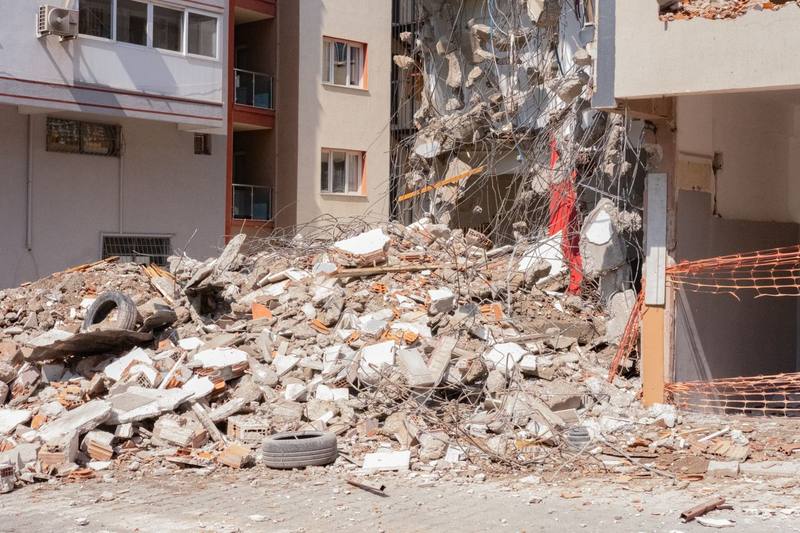
Earthquakes that struck Venezuela a month ago, resulting in over 5,000 deaths and the displacement of thousands of families, also exposed existing limitations on the country's freedom of information. Official silence, censorship, and intimidation against journalists became another aftershock of the tragedy.
Even before the earthquakes, Venezuela's information freedom was already compromised: the social network X had been blocked since August 2024, and over 90 news portals faced access restrictions. Following the disaster, thousands of citizens demanded the immediate lifting of these blockades to share reports on missing persons and affected areas. While some restrictions were reportedly lifted, access remains unstable.
Restrictions on journalistic coverage quickly emerged. For instance, during a live broadcast in Caracas, radio host Gabriel Tinoco was threatened by an official from the Bolivarian National Intelligence Service (Sebin). Similarly, police and National Guard officials obstructed the work of the Runrunes team, forcing them to turn off cameras and attempting to delete recorded material. The state-owned Venezolana de Televisión (VTV) was the only entity authorized to use drones for aerial footage.
The government centralized press access to disaster zones in La Guaira, requiring accreditation and personal data submission. The National Union of Press Workers (SNTP) criticized this measure, arguing that the state used "sanitary arguments" to limit independent journalism and restrict the flow of information about the emergency.
Support nwsTrail
nwsTrail is an independent global news site. Your support helps keep the content free and independent.