Gas crisis paralyzes factories and homes in Bangladesh. Renewable energy could ease the crisis
The shortages are hitting fertiliser output tied to food security, garment exports that drive earnings, home cooking and electricity supply.
pühapäev, 23. august 2026 11:02
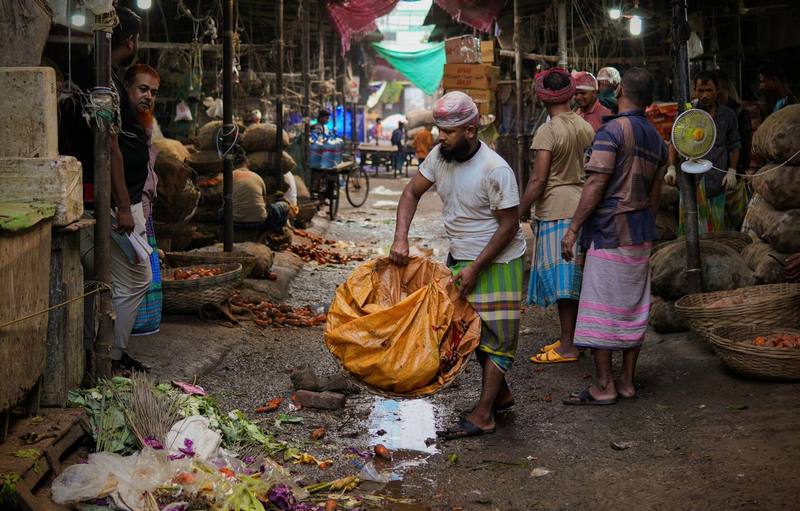
Bangladesh's natural gas crisis has shut factories, cut household and transport fuel supplies and caused power shortages, Channel News Asia reported.
The state-owned Ashuganj fertiliser factory, built near the eastern Titas gas field, has been silent for more than a year after closing in March 2025. The plant once employed more than 1,200 people and produced more than 1,000 tonnes of urea a day for farmers growing crops for Bangladesh's 170 million people. "Only the skeleton of the factory remains," said Md Bazlur Rashid, 59, who spent his working life there. "It has lost its life."
Ashuganj is one of six major urea fertiliser plants forced to close or restrict operations because of gas shortages. Trade union leader Md Abu Kawsar said the shutdowns had cost workers their jobs and threatened an industry linked to food security. "You cannot simply let these factories sit idle and allow them to deteriorate," he said. "Reviving them could also help save foreign currency."
The shortage has also cut production at hundreds of factories, including textile plants, in Bangladesh, the world's second-largest garment exporter. The garment sector accounts for about 80 per cent of the country's export earnings. Power plants that use gas to generate electricity are struggling to meet demand, creating regular blackouts, and the government issued electricity-saving measures in August, including ordering shopping malls to close an hour earlier.
Households, which account for just over a tenth of Bangladesh's gas use, have also lost supply or pressure. "We don't get a drop of gas overnight," said Nargis Begum, 50, who lives near the Ashuganj factory. "Then sometimes the pressure is too low. We can't turn on two burners at the same time." Gas-powered rickshaw drivers have blocked roads in protest after waiting hours for fuel.
The crisis has built for years as domestic production declined from ageing fields, demand rose and investment in exploration lagged. Bangladesh was largely self-sufficient in natural gas in 2018, but now relies on key imports from Qatar; LNG shipments were disrupted by the Middle East war and traffic through the Strait of Hormuz was severely curtailed. The government is continuing LNG orders, investing in import terminals, planning to buy two drilling rigs and has launched an offshore bidding round, while Petrobangla chairman Md Abdul Mannan said: "The gas crisis will be resolved once we turn to renewable energy."
Toeta nwsTraili
nwsTrail on sõltumatu välisuudiste veebileht. Sinu toetus aitab hoida sisu tasuta.