Electric scooter: A technical guide for comparing speed, range, and safety
esmaspäev, 22. juuni 2026 11:16
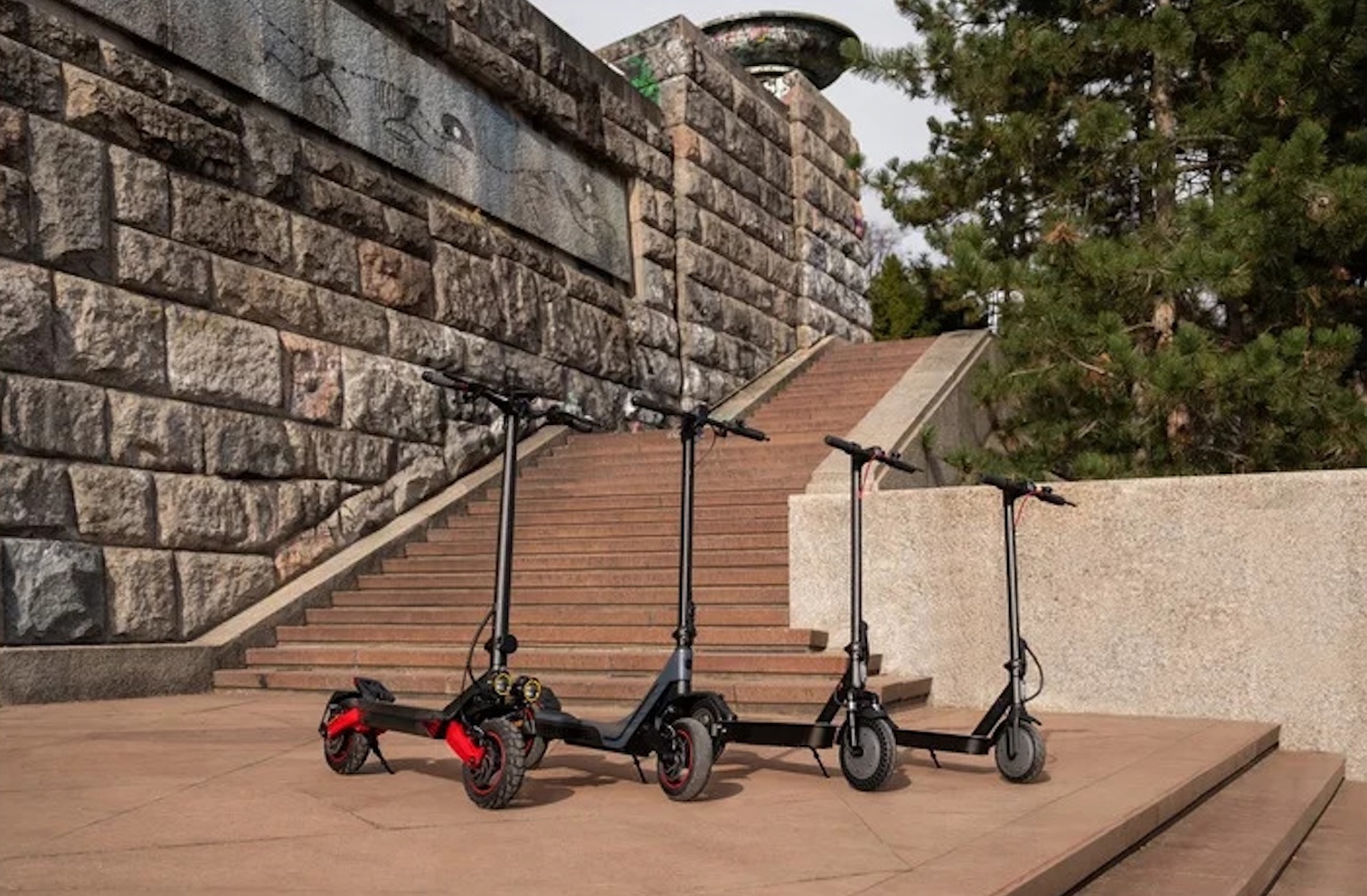
The right scooter is selected based on specific technical parameters such as motor power, battery capacity, and safety features. Systematic comparison of technical data is an essential step that contributes to achieving a safe and comfortable riding experience in daily traffic. Each electric scooter offers different specifications optimized according to user needs and the distances to be covered. K-rauta’s product range offers versatile solutions well-suited for both shorter daily city commutes and longer distances. Understanding these technical details supports more informed decision-making, helping to find a light mobility vehicle that fits personal riding styles and route characteristics.
This technical guide provides a comprehensive overview of the most important factors, including speed limits, range factors, and various types of braking systems. We examine how motor performance, battery capacity, and safety functions combine to provide stable performance in diverse conditions.
Technical Specifications: Speed and Motor Power
An electric scooter's motor plays a vital role in the vehicle's ability to maintain stable speed on inclines and supports the necessary acceleration capability in urban traffic. In everyday use, clear differences are noticeable between 250 W and 500 W motors. Models with lower power, such as a 250 W motor, are sufficient for moving on flat surfaces and for lighter riders, offering economical energy consumption. Meanwhile, 500 W models generally provide more power reserves on inclines and in more challenging riding conditions. A powerful electric scooter utilizes a higher nominal power, representing the motor's continuous and stable performance under long-term load. In contrast, peak power—or maximum short-term power—indicates the motor's short-term effort applied, for example, on steep inclines or during a quick start. Maximum speed alone does not provide a full picture of a scooter's capability, as the riding experience is also affected by motor power, torque, and range.
Maximum Speed and Legislation in Estonia
Electric scooter laws and traffic regulations in Estonia mandate a maximum permitted speed limit of 25 km/h for light mobility vehicles. This limit is established to promote safety on both light traffic paths and in areas shared with pedestrians. At higher speeds, braking distances increase significantly, and rider reaction time to unexpected obstacles decreases. Manufacturers have configured their devices accordingly, meaning electronic limiters keep speeds within permitted norms while providing sufficient dynamics for daily commuting.
Range and Battery Durability
Range is closely linked to battery capacity, expressed in watt-hours (Wh), but actual mileage is also significantly influenced by the rider's weight, outdoor temperature, and road surface conditions. A scooter's battery is one of the device's most valuable components, whose longevity and daily performance depend largely on proper maintenance and user charging habits. Optimizing battery charging cycles and avoiding extreme temperatures can contribute to extending the cell's lifespan. Most modern models use lithium-ion battery technology, which offers good energy density and relatively low self-discharge.
How Battery Capacity Affects Weight and Portability
Higher-capacity batteries offer a longer range, but they add significant weight to the device. Users must find a balance between the desired distance and the total weight of the vehicle. If a daily commute involves carrying the light mobility vehicle on stairs or frequent transport on public transit, a lighter battery may be a much more practical choice. At the same time, in situations where the electric scooter's motor power and long range are priorities, the device's greater mass must be taken into account. A heavier device can offer greater stability on the road, but its maneuverability in tight conditions may be somewhat limited.
Safety and braking systems
An effective braking system is considered one of the most critical safety elements of a light mobility vehicle, combining mechanical and electronic solutions to achieve optimal braking force. The scooter's tires and brakes work together to support the shortest possible stopping distance in various weather and road conditions. Several different braking systems are common on the market, each with its own technical characteristics. Disc brakes offer strong and well-modulated braking force, which is particularly important when stopping from higher speeds. Drum brakes are closed systems that are well-protected from environmental influences. Regenerative braking, or E-ABS, helps prevent wheel lock-up during sudden braking while directing part of the kinetic energy back into the battery. A dual braking system combines two different braking mechanisms and helps improve the distribution of braking force.
Disc brakes vs electronic brakes
The technical characteristics of different brake types determine their maintenance needs and response speed in various weather conditions. Disc brakes offer mechanical reliability and quick response, being especially effective in dry conditions. However, they may require more frequent adjustment and brake pad replacement to maintain their effectiveness. In contrast, electronic brakes (electric scooter braking systems based on motor resistance) are virtually maintenance-free and respond smoothly. However, their effectiveness may be somewhat lower on wet road surfaces where mechanical grip is limited. Combined solutions offer a balanced approach between reliability and low maintenance requirements.
Technical overview of the K-rauta product range
Every scooter is engineered with specific usage needs in mind, making a precise comparison of technical parameters an important step in finding the right model. The devices in the K-rauta range offer various solutions tailored to rider preferences. For example, a Xiaomi vs Ninebot comparison highlights how tire types and braking systems can differ despite similar motor power, thereby providing a different riding experience. The following technical comparison highlights the main specifications of three popular models, helping to understand these devices' capabilities and suitability for different conditions.
Model | Motor power | Range | Tire type | Load capacity |
|---|---|---|---|---|
Sencor X50 | 350 W | Up to 45 km | 10-inch perforated | 120 kg |
Ninebot F30E |
300 W
Up to 30 km
10-inch pneumatic tires
100 kg
Xiaomi 4 Lite
300 W
Up to 20 km
8.5-inch
100 kg
Electric Scooter Sencor X50, Black/Red
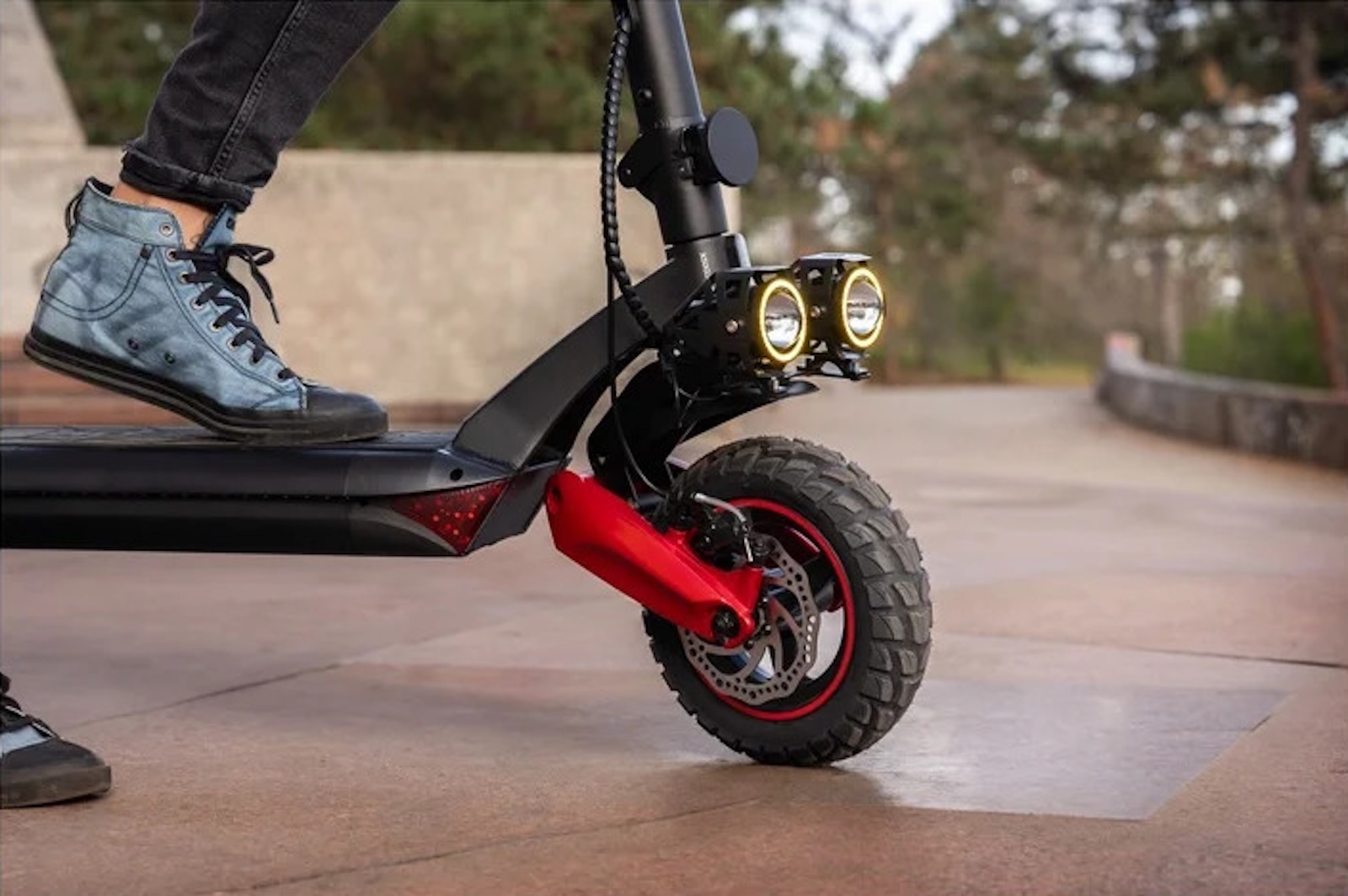
Photo: K-rauta.ee
The Sencor X50 model stands out with technical specifications aimed at longer distances and higher load capacity. The device features a 350 W motor, supporting stable propulsion, with a maximum speed limited to 25 km/h. According to the manufacturer, the range reaches up to 45 kilometers, making this model a practical choice for longer daily commutes. Specifications include 10-inch perforated tires that do not require an inner tube, reducing the risk of punctures. A combined braking system, consisting of a disc brake and an electric brake, supports smooth and controlled stopping. The maximum load capacity is 120 kg, indicating a robust frame construction.
Use case: A model with durable tires for uneven city roads, well-suited for users requiring longer range and higher load capacity.
Electric Scooter Ninebot by Segway F30E, Black/Grey
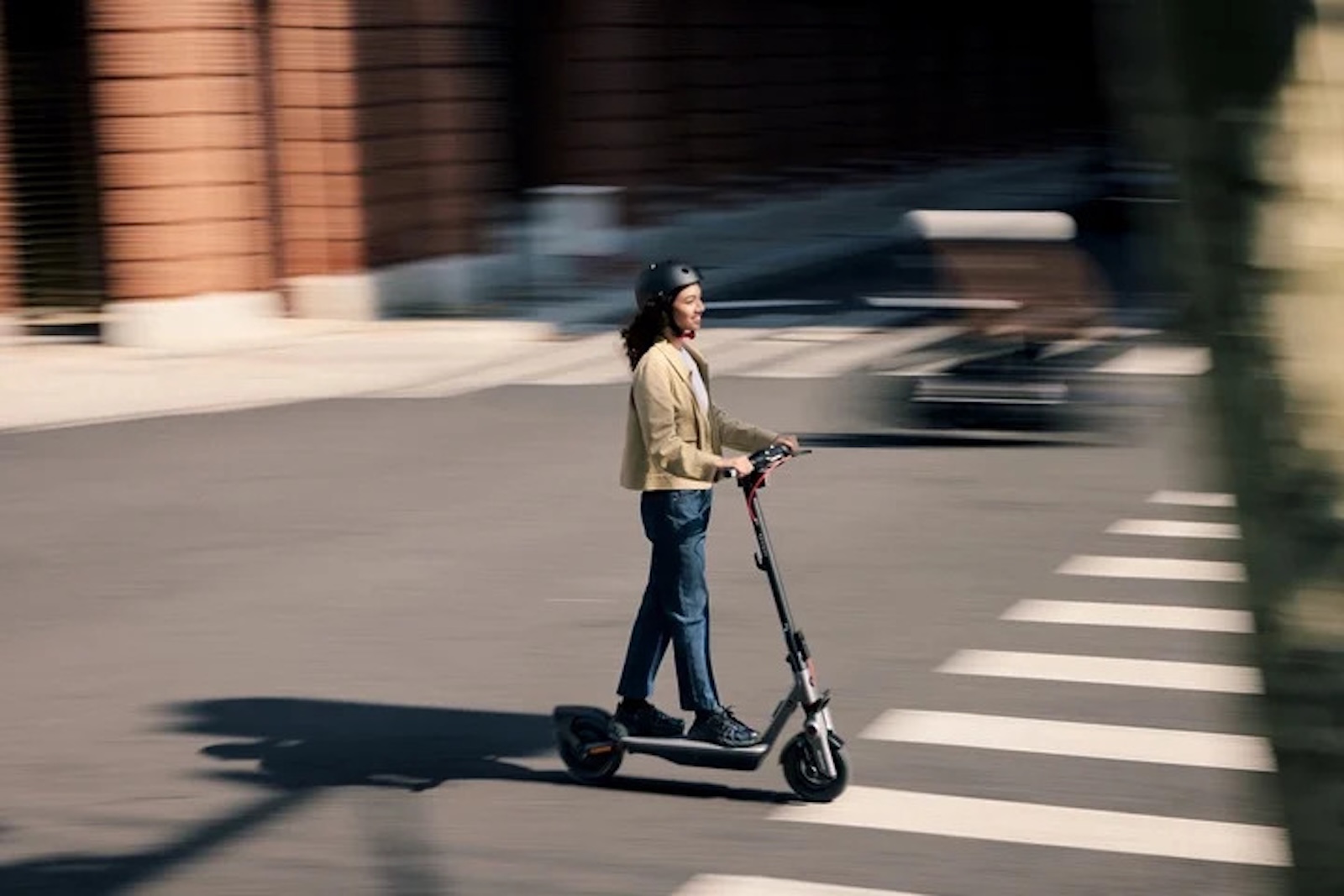
Photo: K-rauta.ee
The Ninebot F30E is engineered to provide a balanced riding experience, with a focus on safety features and ride comfort. The device has a 300 W motor and a maximum speed of 25 km/h. A range of up to 30 km can be achieved on a single charge. The model is equipped with 10-inch tubeless pneumatic tires that support a smoother ride even on rougher asphalt, offering good grip. To ensure safety, an electronic front brake and a rear disc brake are used, working in sync to provide stable stopping power. The maximum load capacity is 100 kg.
Use case: A scooter with an advanced braking system for safety, aimed at users who value security and ride comfort during daily city commutes.
Electric Scooter Xiaomi Electric Scooter 4 Lite, Black/Grey
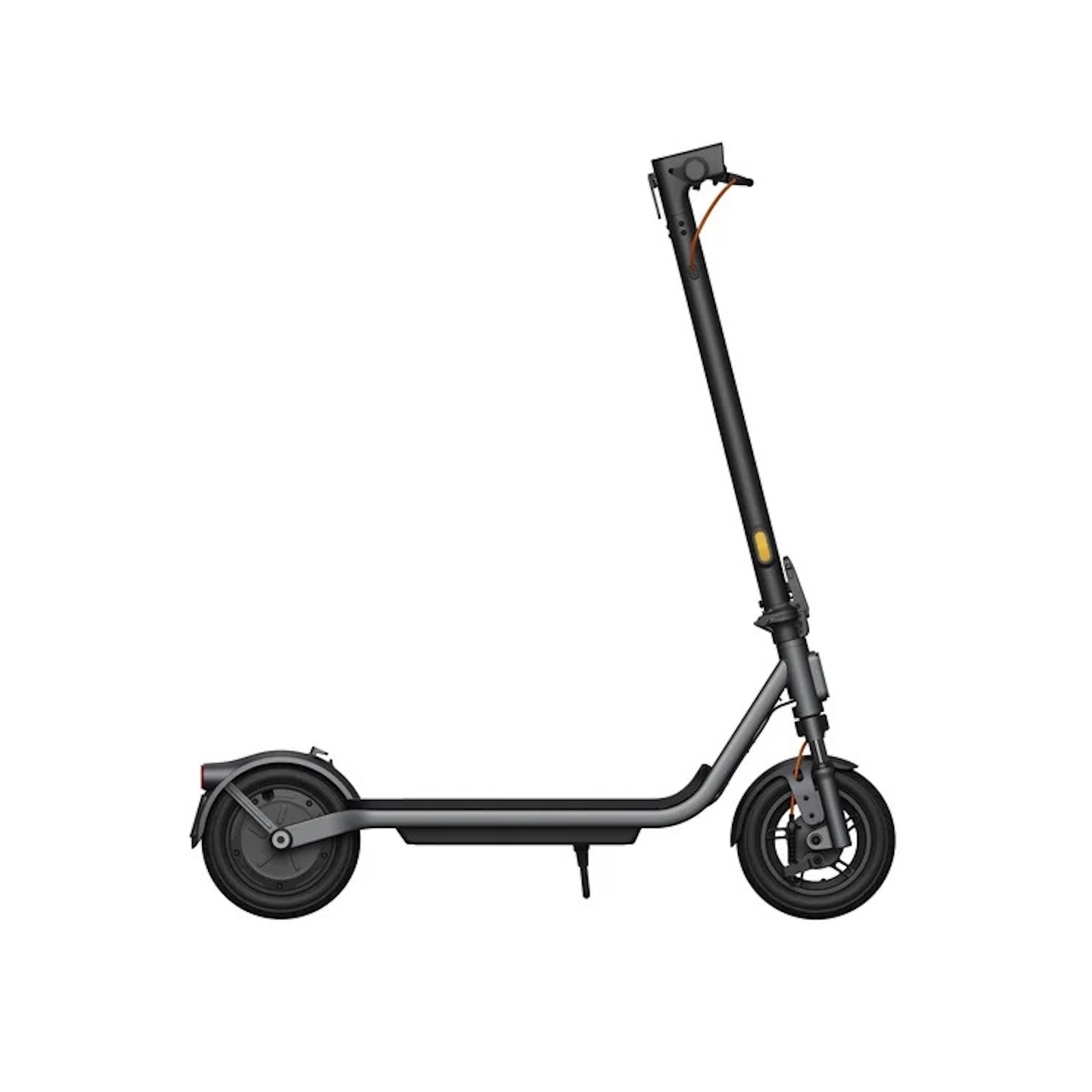
Photo: K-rauta.ee
The Xiaomi 4 Lite is optimized for lightness and mobility, serving as a compact choice for shorter distances. Its motor has an output of 300 W, allowing for a maximum speed of 25 km/h. The range is up to 20 km, which is sufficient for shorter commutes. Specifications include 8.5-inch tires, which help keep the overall dimensions of the device compact. The dual braking system, consisting of an E-ABS front brake and a rear drum brake, is designed to provide reliable stopping power while remaining protected from external environmental factors. The maximum load capacity is 100 kg.
Use case: A lightweight scooter for easy carrying, making it a practical choice for shorter city trips and situations where the device needs to be lifted frequently.
Your new scooter from K-rauta's expert selection
Motor power, battery capacity, range, and the braking system are the main indicators to compare when choosing an electric scooter. K-rauta's role is to offer a wide range of high-quality brands that meet various technical requirements and budgets, thereby supporting informed and responsible choices in the light electric vehicle market.
The K-rauta team is dedicated to providing professional advice and support to help find the most technically suitable solution for your specific needs. Our expert consultants await you at K-rauta stores across Estonia. If you have already made your choice, order the selected product from the online store at www.k-rauta.ee and have it delivered to your home.
Toeta nwsTraili
nwsTrail on sõltumatu välisuudiste veebileht. Sinu toetus aitab hoida sisu tasuta.