Congo's Ebola outbreak becomes deadliest in country. Spread has not stopped
Response teams face six affected eastern provinces, no approved Bundibugyo vaccine or treatment, and many new infections outside monitoring networks.
teisipäev, 18. august 2026 09:23
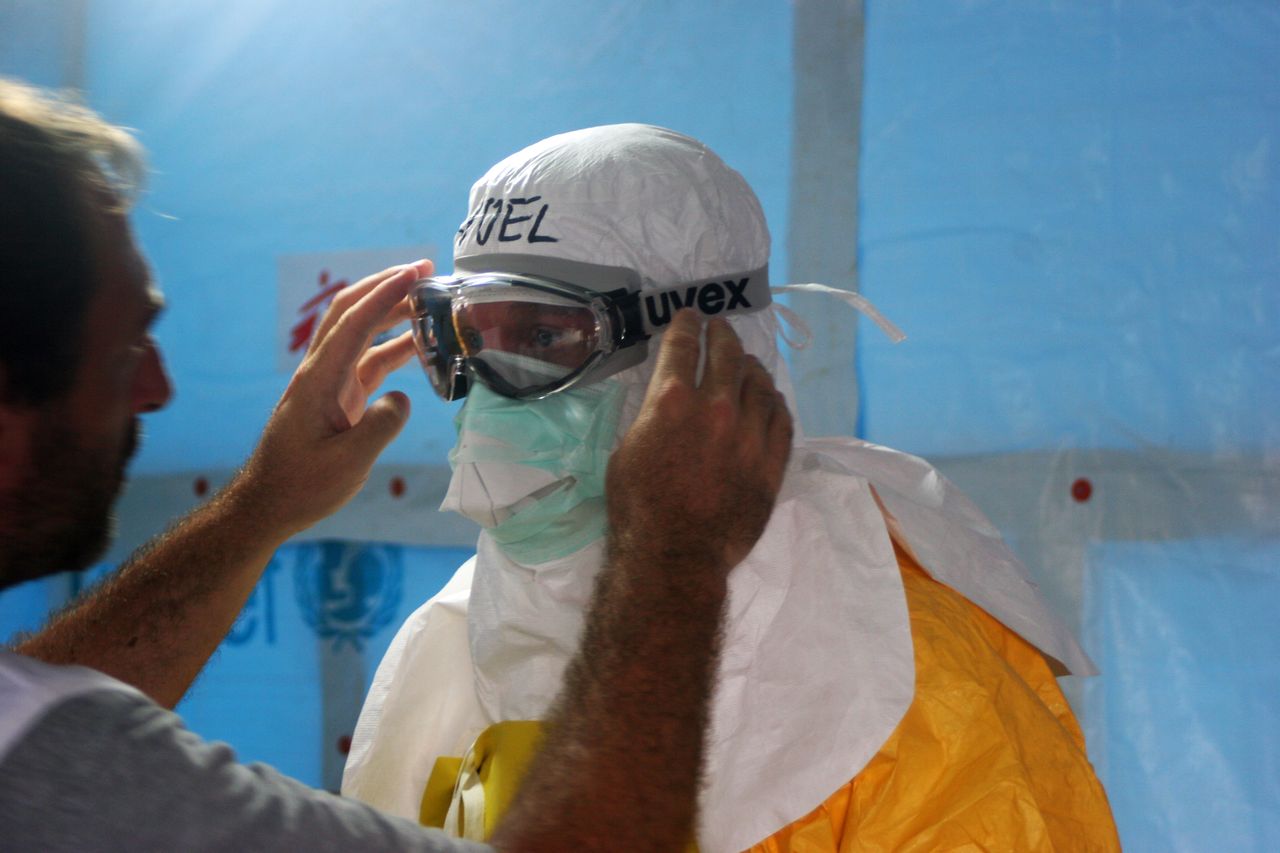
Congo’s Ebola outbreak has become the country’s deadliest, with 4,945 cases and 2,325 deaths in government data released overnight into Monday, August 17, 2026, The Hindu reported.
The fast-moving outbreak, unfolding across six provinces in eastern Congo, has killed more people than the country’s 2018-2020 Ebola outbreak, which recorded 2,299 deaths among 3,481 cases. Officials reported 101 new cases and 33 deaths in the previous 24 hours.
It is Congo’s largest Ebola outbreak and has been described as the fastest-growing ever, infecting and killing more people at a greater speed than any other Ebola outbreak in history. More than 1,000 people have recovered, while 730 remain in hospitals or isolation.
The current outbreak is caused by the Bundibugyo virus, for which there are no approved vaccines or treatments. Trials are underway in Ituri province, the epicentre of the outbreak.
The World Health Organization warned over the weekend that the outbreak was still moving at an “exceptional pace” ahead of efforts to track it, after a weekly record of 579 cases and 304 deaths. “A substantial scaling up of response activities is underway to get ahead of the outbreak,” the agency said.
Most new cases and deaths are being reported outside groups already being monitored. The response is also facing strikes by some unpaid health workers, threats by rebel groups, anger from long-traumatised communities, poor road access in some territories and misinformation asserting that Ebola is not real.
The WHO has said the outbreak is on track to surpass the 2014-16 West Africa Ebola outbreak, the deadliest on record with more than 11,000 deaths. On Friday, United Nations humanitarian chief Tom Fletcher announced an additional $30.5 million and 20 more staff for the frontline response, saying: “This is a wake-up call. We need speed, scale and solidarity before this virus gets even further ahead of us.”
Toeta nwsTraili
nwsTrail on sõltumatu välisuudiste veebileht. Sinu toetus aitab hoida sisu tasuta.