TIMELINE: Military action expands. What happened after the US-Iran memorandum was signed?
The US-Israel and Iran war began on February 28, 2026, with Israeli airstrikes that also killed Iran's supreme leader, Ali Khamenei. His son, Mojtaba Khamenei, was declared the new supreme leader on March 8th. The following focuses on events after the signing of the armistice memorandum.
kolmapäev, 29. juuli 2026
June 17: Memorandum Signed
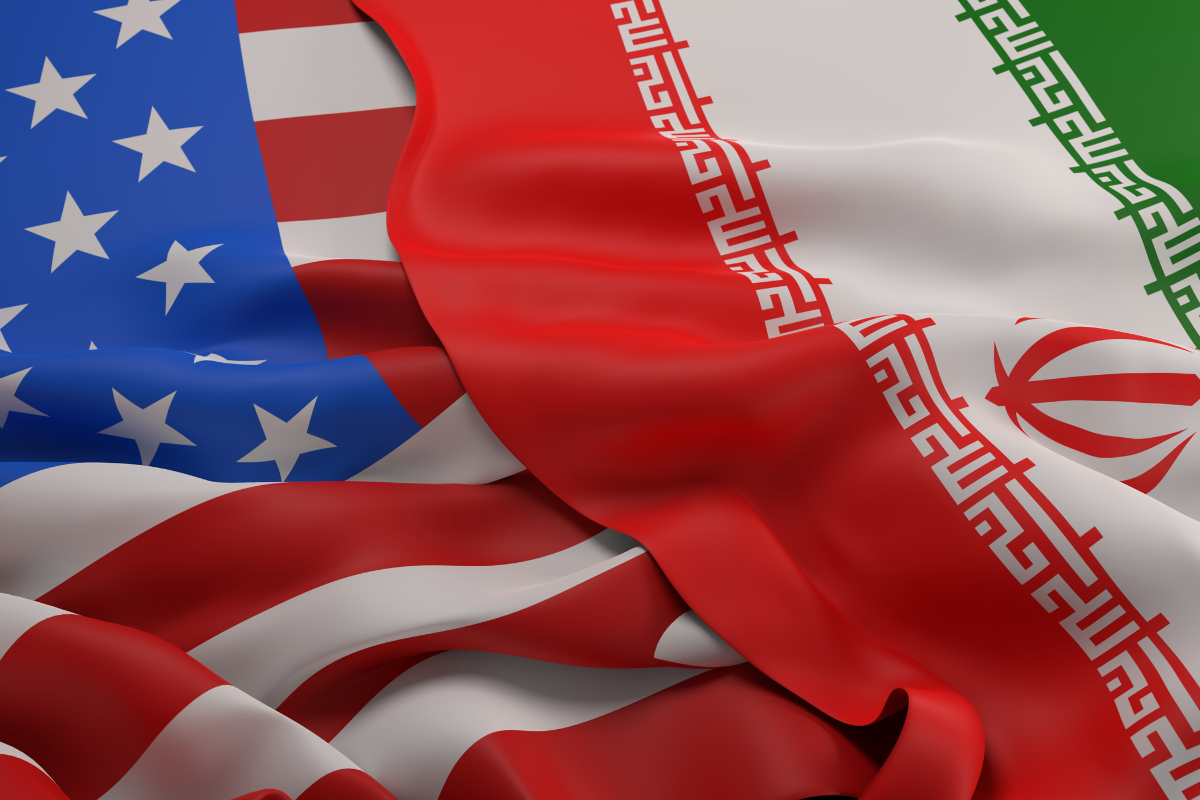
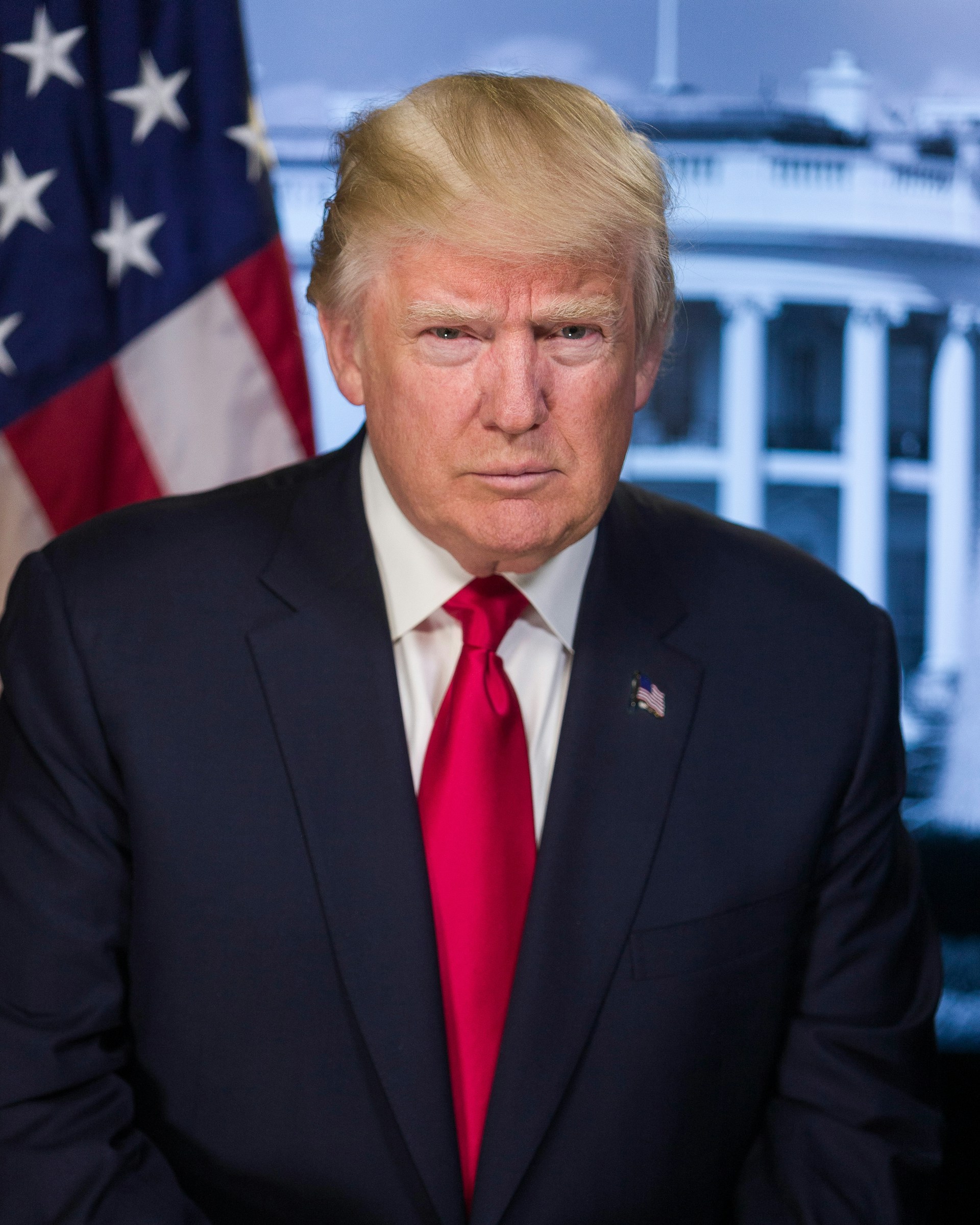
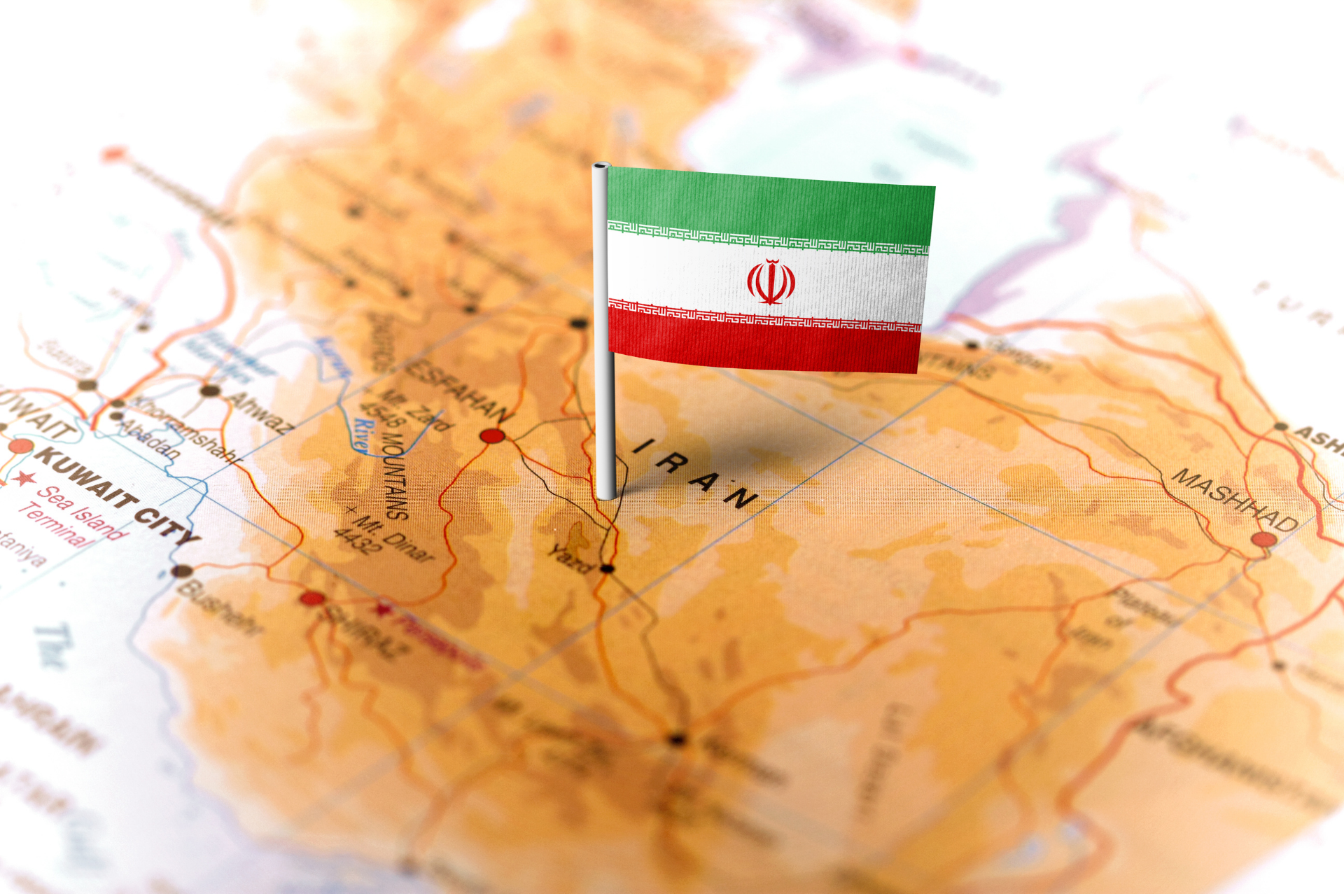
In Islamabad, US President Donald Trump, Iranian President Masoud Pezeshkian, and Pakistan's Prime Minister (as mediator) signed the so-called Islamabad Memorandum of Understanding (MoU).
What the memorandum stipulated:
Immediate and permanent cessation of hostilities on all fronts (including Lebanon), 60 days to negotiate a final agreement, gradual termination of the US naval blockade within 30 days, restoration of shipping in the Strait of Hormuz, an Iranian reconstruction fund of at least $300 billion, a timeline for lifting all sanctions (UN, IAEA, and US), and Iran's affirmation not to develop nuclear weapons – with IAEA oversight of the nuclear program.
Late June — First Tensions
June 22:
Iranian Parliament Speaker and chief negotiator Mohammad Bagher Ghalibaf said that the US and Iran agreed on a mechanism for quickly resolving incidents in the Strait of Hormuz.
June 23:
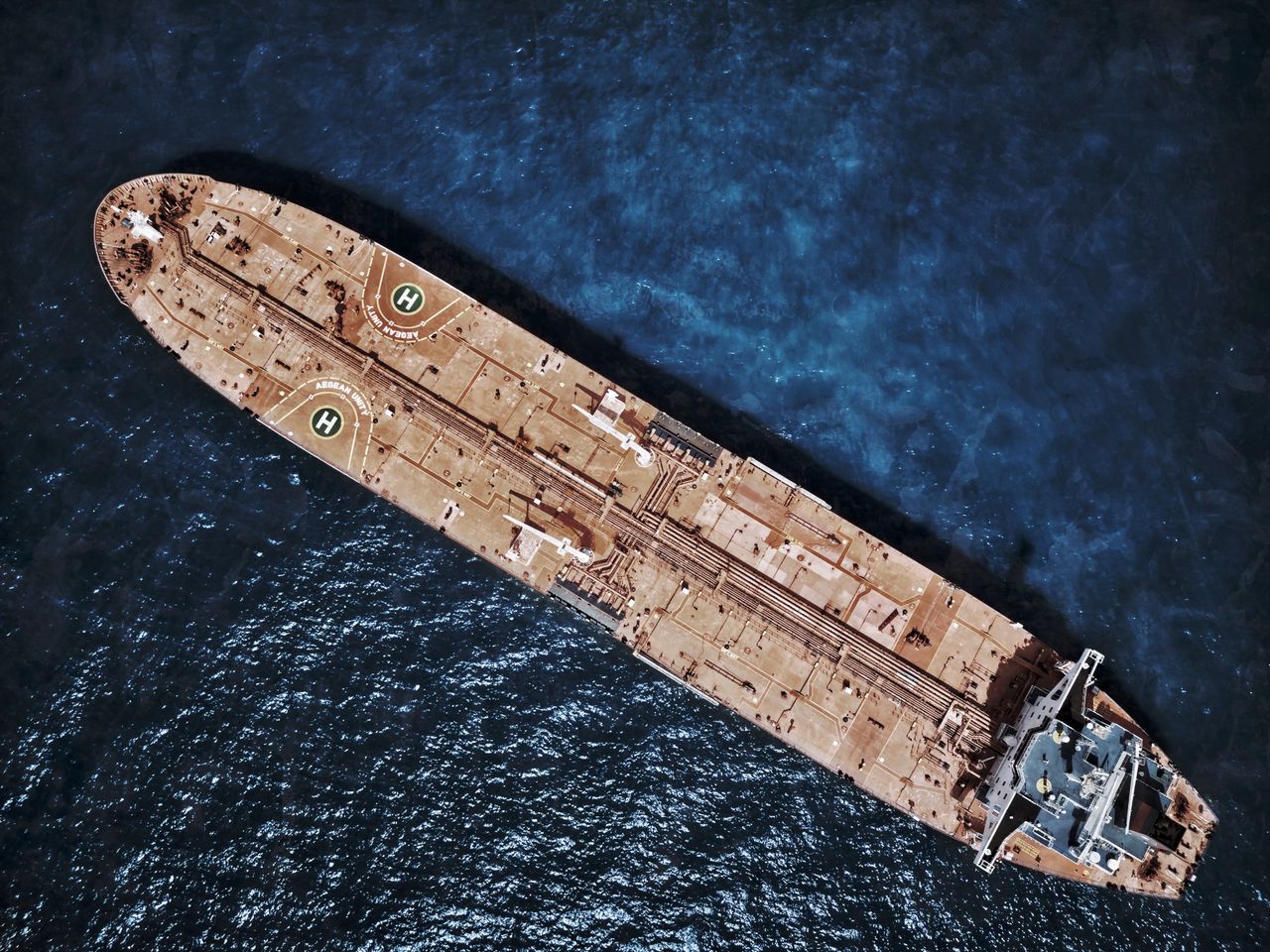
The International Maritime Organization (IMO) and Oman launched a joint initiative for hundreds of stranded ships to pass through a safe corridor. At the same time, Iran indicated that it intends to introduce transit fees in the strait in the long term, calling them "service fees."
June 25:
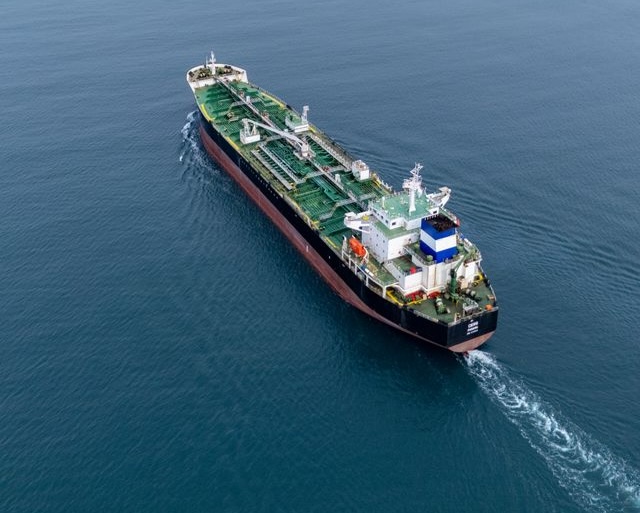
The naval unit of the Islamic Revolutionary Guard Corps (IRGC) struck a ship near the Omani coast, warning that traffic outside Iran's designated corridors was "highly dangerous."
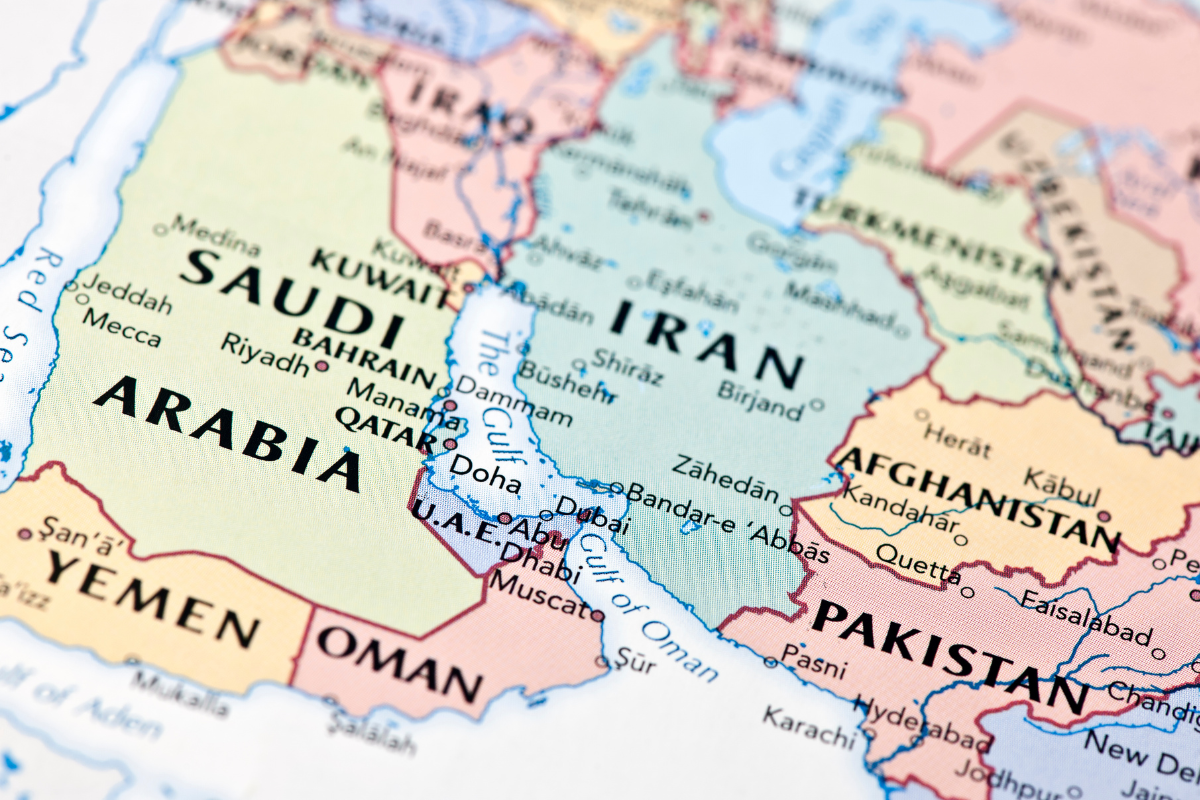
US Secretary of State Marco Rubio met with Gulf Cooperation Council (GCC) countries in Manama, Bahrain. The US and GCC issued a joint statement rejecting Iran's attempts to assert control or impose tolls over the strait. US Vice President JD Vance announced that a direct de-escalation channel between the US and Iran was established via Doha to resolve incidents.
June 26:
IAEA Director General Rafael Grossi confirmed that the memorandum would give the agency access to Iranian nuclear facilities, while Iranian officials claimed no new inspections were planned – Grossi called this a "war of statements."
Early July — Talks Stall
July 1–2:
Technical talks in Doha on the Strait of Hormuz and Iranian economic compensation yielded no breakthrough; the nuclear program was not even raised in the talks. Trump, meanwhile, told reporters that "Iran's denuclearization is progressing well."
July 3–11:
Memorial ceremonies related to national mourning took place in Iran, after which talks were expected to resume.
July 8:
At the NATO summit in Ankara, Trump announced that in his opinion, the memorandum was over ("it's over... I don't want to deal with them"). On the same day, the US Treasury canceled Iran's oil sales license (three tankers had been attacked in Hormuz) and gave Iran until July 17 to cease transactions.
July 9–10:
On the night of Wednesday-Thursday, the largest exchange of attacks since the armistice occurred: Iran struck US military facilities in Persian Gulf countries, while the US responded with strikes on nearly 90 Iranian targets, including in southern and eastern provinces.
By Friday morning, the attacks subsided, and mediators tried to restart diplomacy.
July 10:
Trump wrote on Truth Social that the US agreed to Iran's request to resume talks but also affirmed: "the armistice is OVER!" A spokesman for the Iranian Foreign Ministry denied that Iran had requested new talks, claiming they only agreed to a visit by the Qatari mediator to Tehran. Ghalibaf warned that Iran was ready for full-scale defense if the Americans did not abide by the agreement.
Escalation
July 13:
July 14:
180 Iranian parliament members (out of 290) issued a statement demanding the termination of the memorandum and "retaliation," the adoption of a new law on the administration of the Strait of Hormuz, and a tightening of defense doctrine.
July 15–16:
The US and Iran exchanged attacks for the sixth consecutive night — US Central Command CENTCOM struck targets in Bandar Abbas and Greater Tunb Island, Iran retaliated with attacks on US bases in several Persian Gulf countries and Jordan (Jordan repelled eight Iranian missiles).
The US reimposed a naval blockade on Iranian ports. According to Iranian authorities, 35 people were killed and over 300 injured in the country.
July 18:
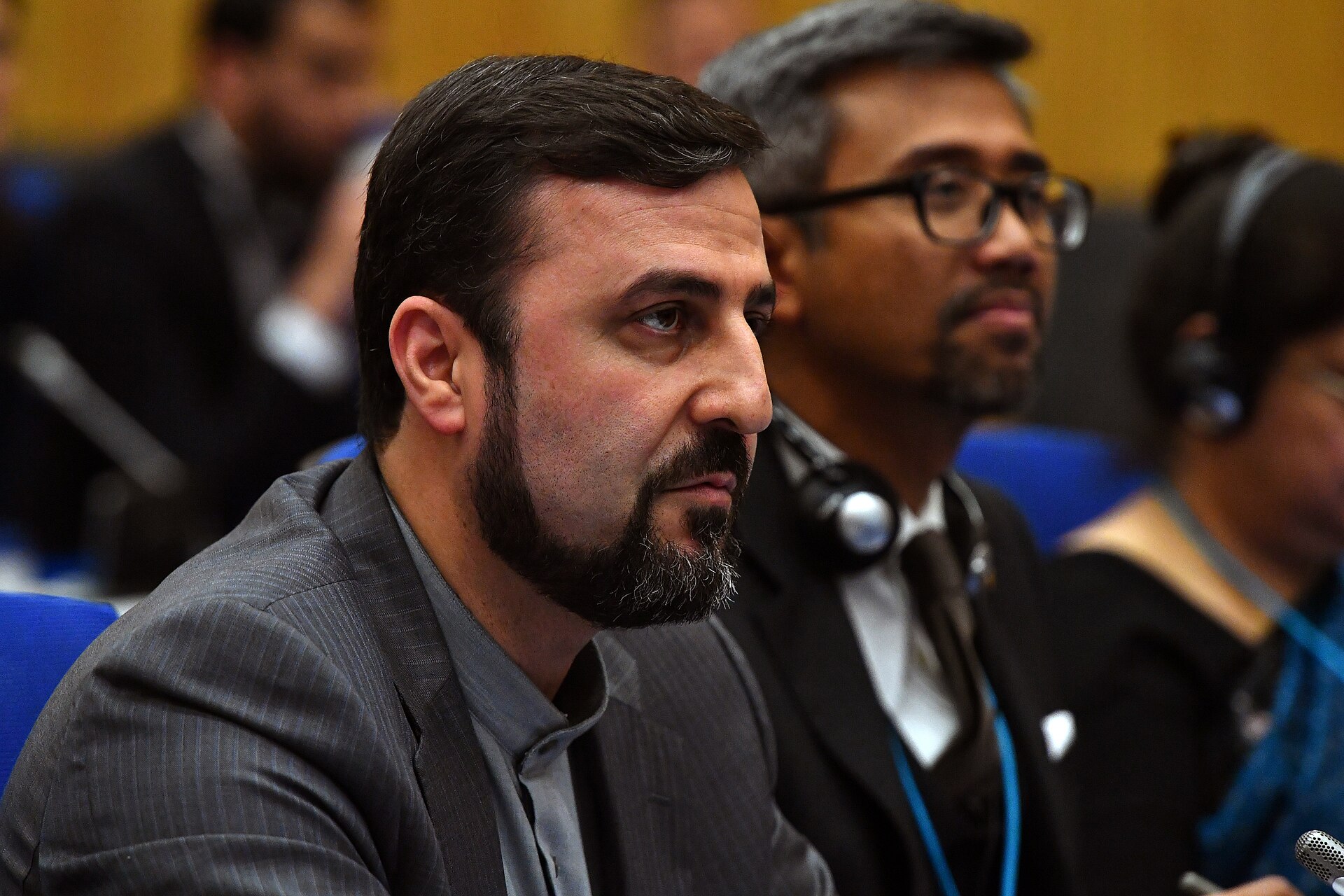
Iranian Deputy Foreign Minister Kazem Gharibabadi officially announced that Tehran is suspending all obligations under the Islamabad Memorandum, accusing the US of violating the agreement. On the same day, Supreme Leader Mojtaba Khamenei, in a statement broadcast on state television, called Trump's signature worthless and invalid and warned the US (calling it "the devil") of "unforgettable lessons."
Iran also appealed to the UN Security Council, demanding immediate and decisive action against the US.
July 19:
July 20:
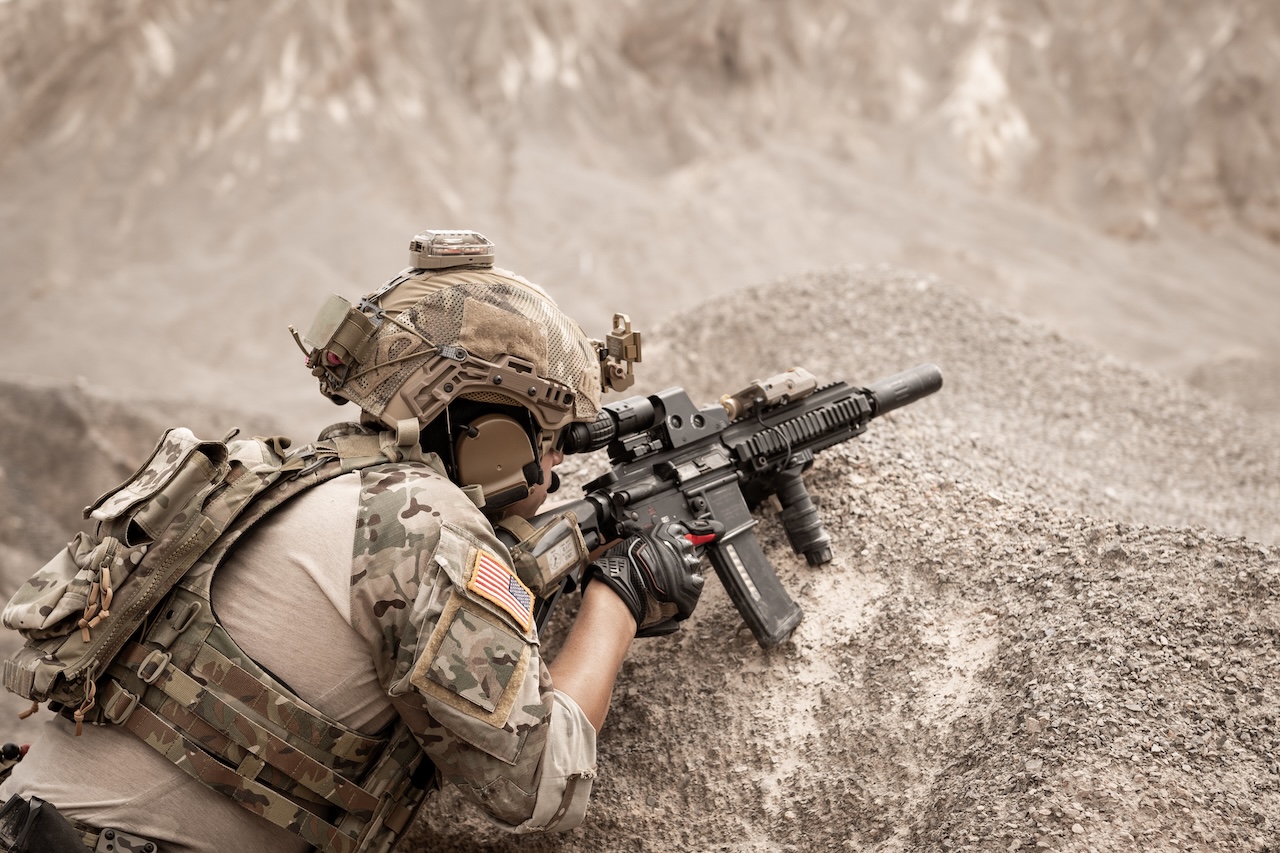
The US carried out attacks on Iranian targets (Sirik, Jask, Tabriz, Chabahar) for the ninth consecutive night.
A third US soldier was killed, bringing the number of US military personnel killed since the start of the war to 17 (over 420 wounded).
On the same day, Iranian-backed Houthi rebels in Yemen declared a blockade of Saudi Arabian ports in the Red Sea, in response to Saudi Arabia's blockade of Yemen.
July 21:
July 23:
The Iraqi Prime Minister visited Tehran, proposing a US ceasefire — Iranian officials informed the New York Times that they rejected the proposal, believing they had an advantage in this phase of the war.
July 23–24:
CENTCOM struck Iranian military command centers, drone depots, communication networks, and coastal surveillance systems.
Iran targeted recreational areas of US bases (e.g., Camp Buehring and Ali al Salem Air Base in Kuwait) to inflict casualties on the US and generate internal political pressure.
July 25–27:
Mutual attacks subsided for three days. Two regional officials told AP that mediators led by Qatar and Pakistan had made significant progress in bringing the US and Iran back to negotiations and reinstating a ceasefire. The topic of discussions also included a mechanism for managing shipping transit with Oman.
July 26:
July 27–28:
Trump announced that he decided to halt US attacks on Iran, giving negotiations "some room," while warning that he could resume strikes if talks failed. US UN Ambassador Mike Waltz confirmed to Fox News that Trump "is giving talks breathing room."
July 29:
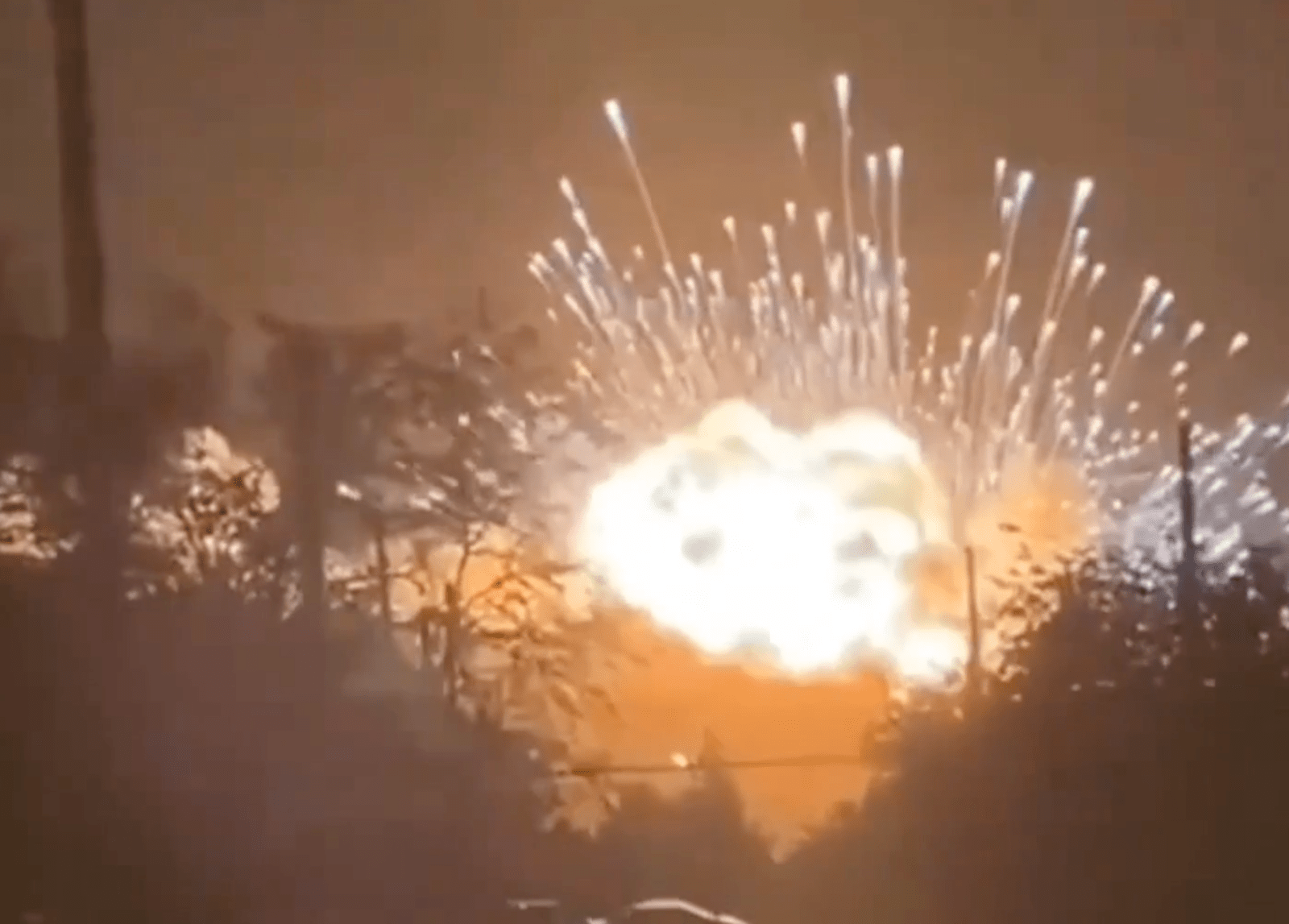
CENTCOM announced that it repelled several ballistic missiles fired by the IRGC, described as an attempt to carry out a surprise attack on US forces in the Middle East — all missiles were successfully intercepted. At the same time, Houthis fired rockets at a Saudi Arabian oil tanker in the Red Sea.
* Välisuudiste tõlkimisel võib olla kasutatud tehisintellekti abi.
Toeta nwsTraili
nwsTrail on sõltumatu välisuudiste veebileht. Sinu toetus aitab hoida sisu tasuta ja reklaamivabana.