SpaceX Rocket Stage Believed to Hit Moon
kolmapäev, 5. august 2026 15:17
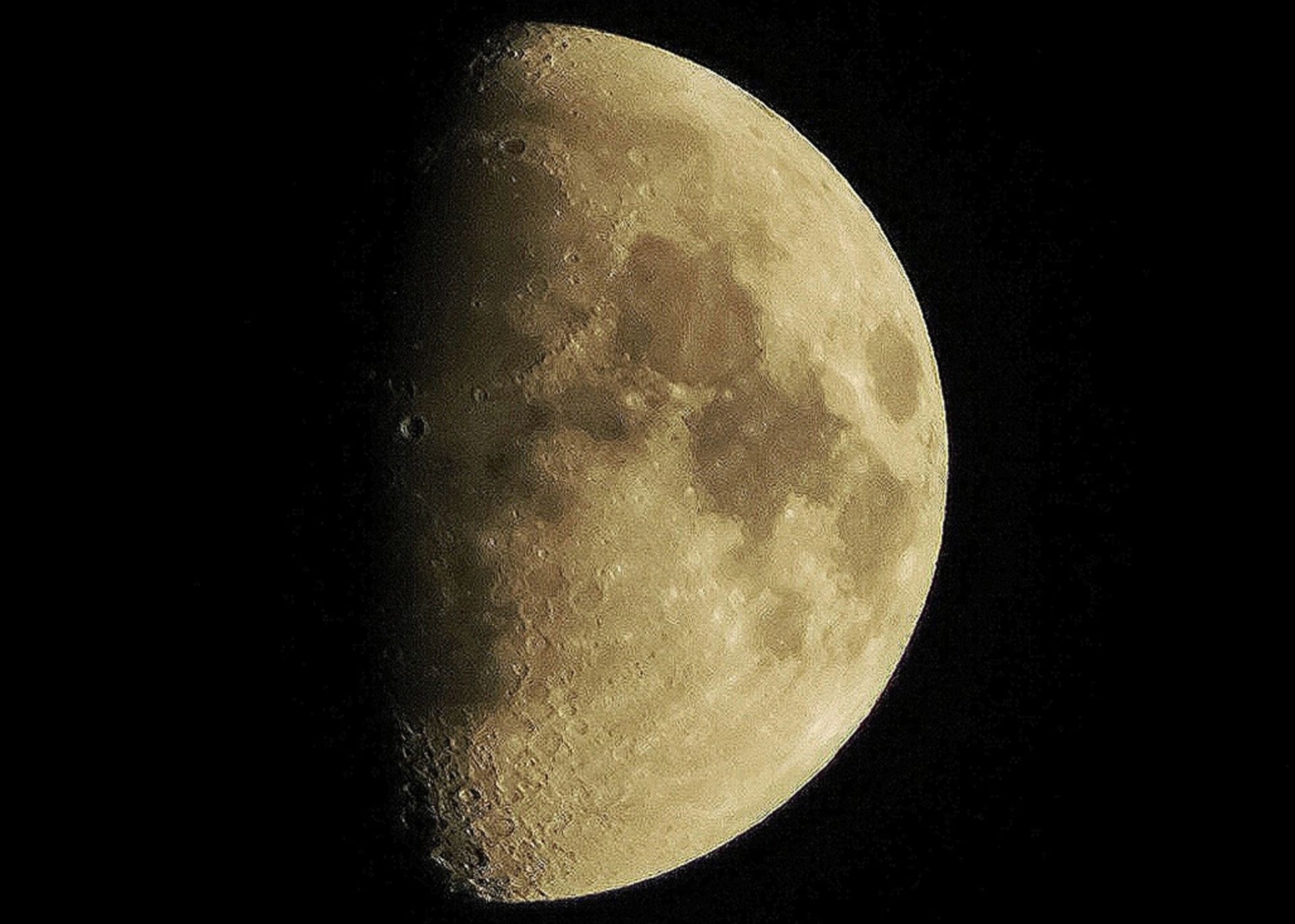
A spent SpaceX Falcon 9 upper stage is believed to have struck the Moon early Wednesday, though scientists had not visually confirmed the impact, Anadolu Agency reported.
The object, officially designated 2025-010D, was predicted by NASA and independent tracking calculations to hit near the Einstein and Bell craters at about 6.35 a.m. (1035GMT), according to the report. NASA’s Center for Near Earth Object Studies determined that the rocket stage had a 100% probability of hitting the Moon.
Astronomer Bill Gray, who tracked the object using publicly available observations, estimated its mass at about 4,900 kilograms and its impact speed at 2.43 kilometers per second, or about 8,700 kilometers per hour. The collision was estimated to release about 14.5 billion joules of energy, equivalent to about three tons of TNT, Anadolu Agency reported.
The stage was part of the Falcon 9 rocket that launched Firefly Aerospace’s Blue Ghost 1 lunar lander from NASA’s Kennedy Space Center in Florida on Jan. 15, 2025. After deploying the lander, the upper stage remained in a highly elliptical Earth orbit before gravitational forces and solar radiation pressure gradually altered its path toward the Moon.
NASA said the impact was expected to create a crater about 18 meters wide and 3.7 meters deep, throwing lunar dust and rock outward as ejecta. Anadolu Agency reported that NASA “stressed that the impact posed no danger to Earth” and said a natural meteoroid with similar energy strikes the Moon about every six days.
NASA said ground-based telescopes, its Lunar Reconnaissance Orbiter and the ShadowCam instrument aboard South Korea’s Korea Pathfinder Lunar Orbiter would seek opportunities to observe or image the site. Images could take several days, depending on lighting, orbital timing and spacecraft positions, while NASA said it remained in communication with SpaceX and was committed to responsible debris mitigation and disposal practices.
* Välisuudiste tõlkimisel võib olla kasutatud tehisintellekti abi.
Toeta nwsTraili
nwsTrail on sõltumatu välisuudiste veebileht. Sinu toetus aitab hoida sisu tasuta.