Putin Under Pressure, But History Suggests Russian Leaders Die in Office
neljapäev, 23. juuli 2026
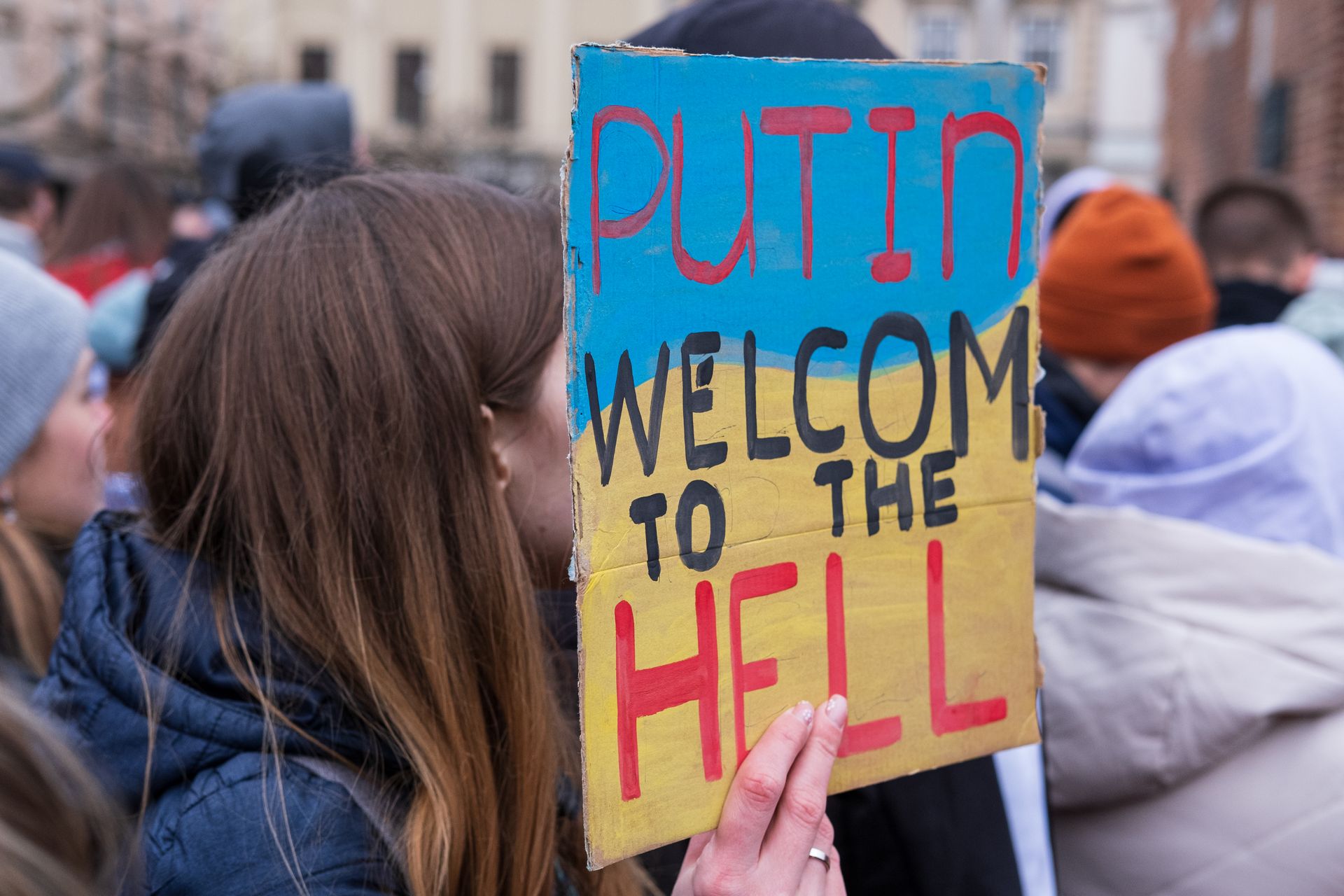
Russian President Vladimir Putin's position is reportedly becoming increasingly tenuous as the war in Ukraine deviates from its original plan. British intelligence estimates Russian military casualties are nearing half a million, and Ukraine has intensified drone strikes on Russian energy infrastructure. Putin's job approval rating dropped to 66.9% in June, his lowest since the full-scale invasion began in 2022, though he remains the most popular political leader.
Putin's increased security measures, such as significantly scaling down the annual Victory Day parade and secrecy about his whereabouts, may indicate his vulnerability. Signs of discontent within the Russian elite have also emerged, including the arrests of prominent blogger Ilya Remeslo and war veteran Aleksandr Lunin after they criticized Putin's policies.
However, history demonstrates the difficulty of unseating a Russian (or Soviet) leader. Since the 1917 revolution, the vast majority have died in office. Following constitutional amendments in 2020, Putin could remain in power until 2036, when he would be 84, provided his health permits.
Only two leaders have faced outright coup attempts: Nikita Khrushchev, who was ousted in 1964, and Mikhail Gorbachev, whose resignation in 1991 was intertwined with the dissolution of the Soviet Union. Khrushchev's overthrow was partly due to his failures in Berlin policy and the Cuban missile crisis, which damaged his standing among Kremlin hardliners.
Any potential palace coup against Putin is more likely to come from hardliners dissatisfied with what they perceive as insufficiently aggressive policies, rather than from those seeking to end the war in Ukraine. However, this scenario remains unlikely. Historical precedent suggests that, like most Kremlin leaders before him, Vladimir Putin is most likely to die in office, having entrenched himself in a political system centered on his leadership since 1999.
Source: The Conversation
* Välisuudiste tõlkimisel võib olla kasutatud tehisintellekti abi.
Toeta nwsTraili
nwsTrail on sõltumatu välisuudiste veebileht. Sinu toetus aitab hoida sisu tasuta ja reklaamivabana.