Iran rejects Oman Hormuz oversight proposal
kolmapäev, 29. juuli 2026
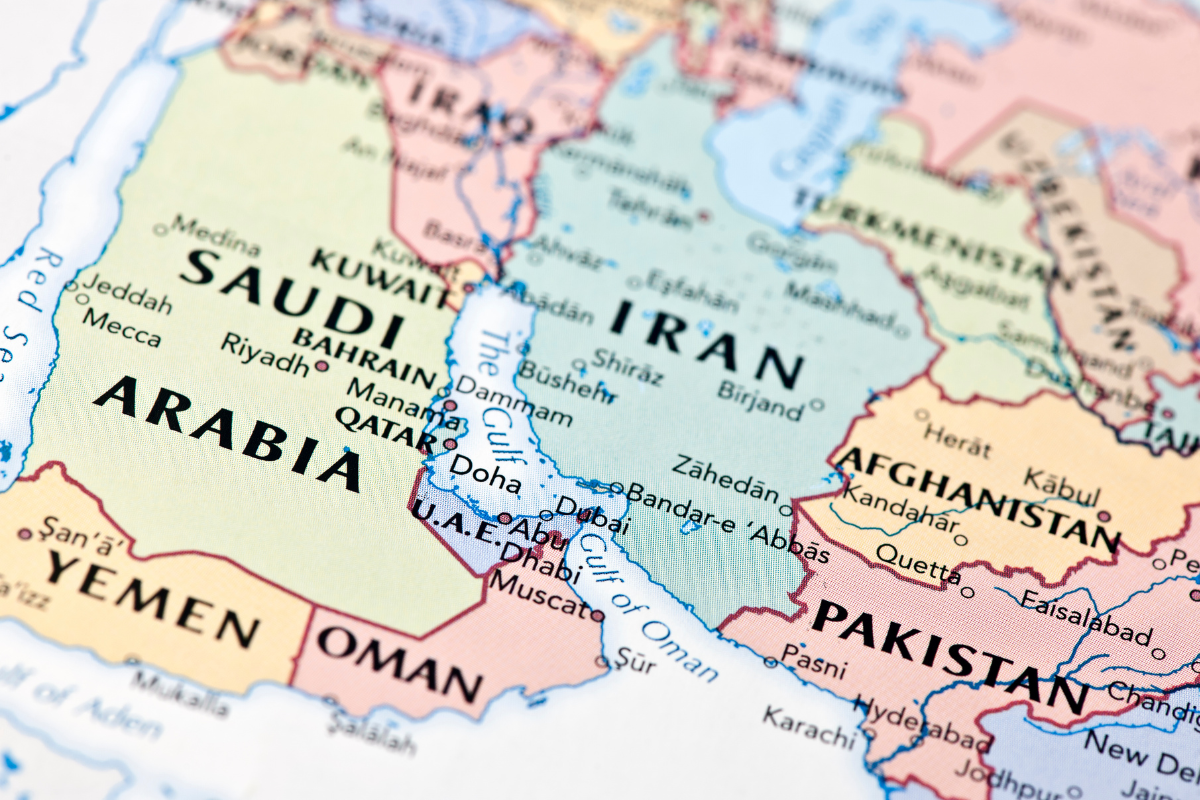
Iran has rejected an Omani proposal for joint oversight of the Strait of Hormuz and offered a counterplan giving Tehran more control, Al Jazeera reported on July 29, citing Deputy Foreign Minister Kazem Gharibabadi.
Gharibabadi said on Iranian state TV on Tuesday that Oman's plan did not sufficiently address Tehran's security concerns over control of the waterway. “Oman proposed to us the creation of a route in the Strait of Hormuz, with 50 percent of it located in our territorial waters and 50 percent in Omani territorial waters,” he said.
Al Jazeera said Oman's proposal would let Iran control transit lanes on its side of the strait and Oman control lanes along its coast, with “voluntary fees” from vessels going to both countries. The report said the plan appeared to follow the Strait of Malacca model, where Indonesia, Malaysia and Singapore seek voluntary contributions for navigation, environmental protection and search-and-rescue operations.
Gharibabadi said Iran's counterproposal would put one route entirely inside Iranian territorial waters and part of another route there as well, allowing Tehran to oversee inbound and outbound traffic. He warned the strait would remain closed if Oman rejected the plan and said Hormuz could not return to pre-war arrangements in which ships paid no toll.
The Strait of Hormuz has been central to the US-Iran conflict since US-Israeli attacks on Iran began in late February, Al Jazeera said. Before the war, about one-fifth of global oil and liquefied natural gas supplies moved through the strait from Gulf producers; Tehran closed it shortly after the war began, and the United States later imposed a corresponding blockade on Iranian ports.
Al Jazeera said a June 17 memorandum of understanding between Iran and the US was meant to reopen the strait without charge for at least 60 days, but disputes remain over control, routes, fees and mine clearance. Correspondent Resul Serdar Atas reported from Tehran that Oman is considering a separate three-route plan and that “Iran is demonstrating some flexibility.”
* Välisuudiste tõlkimisel võib olla kasutatud tehisintellekti abi.
Toeta nwsTraili
nwsTrail on sõltumatu välisuudiste veebileht. Sinu toetus aitab hoida sisu tasuta ja reklaamivabana.