GALLERY: Finnish Municipality Heats Houses With Energy Stored in Sand Battery
pühapäev, 2. august 2026
 1/6
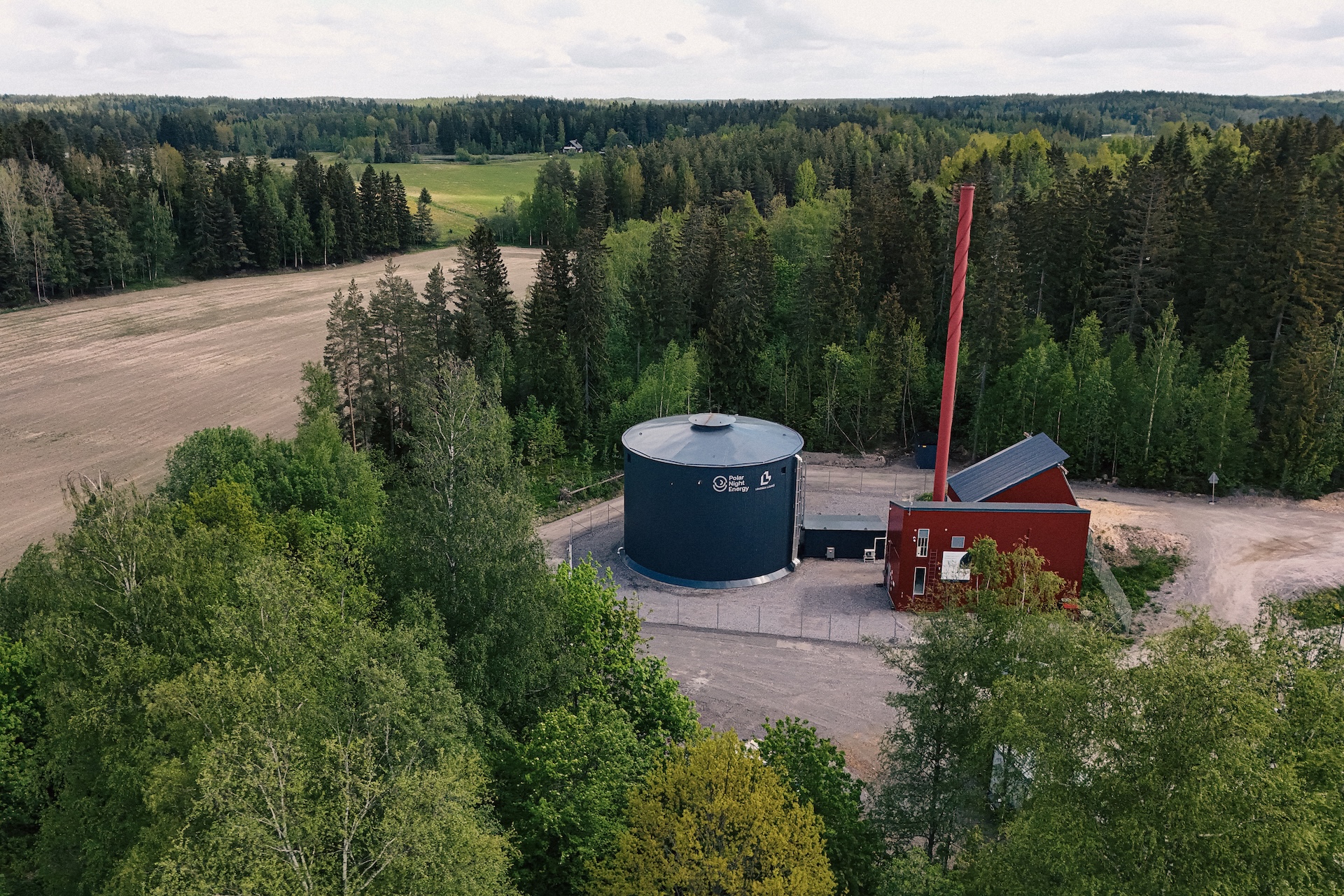
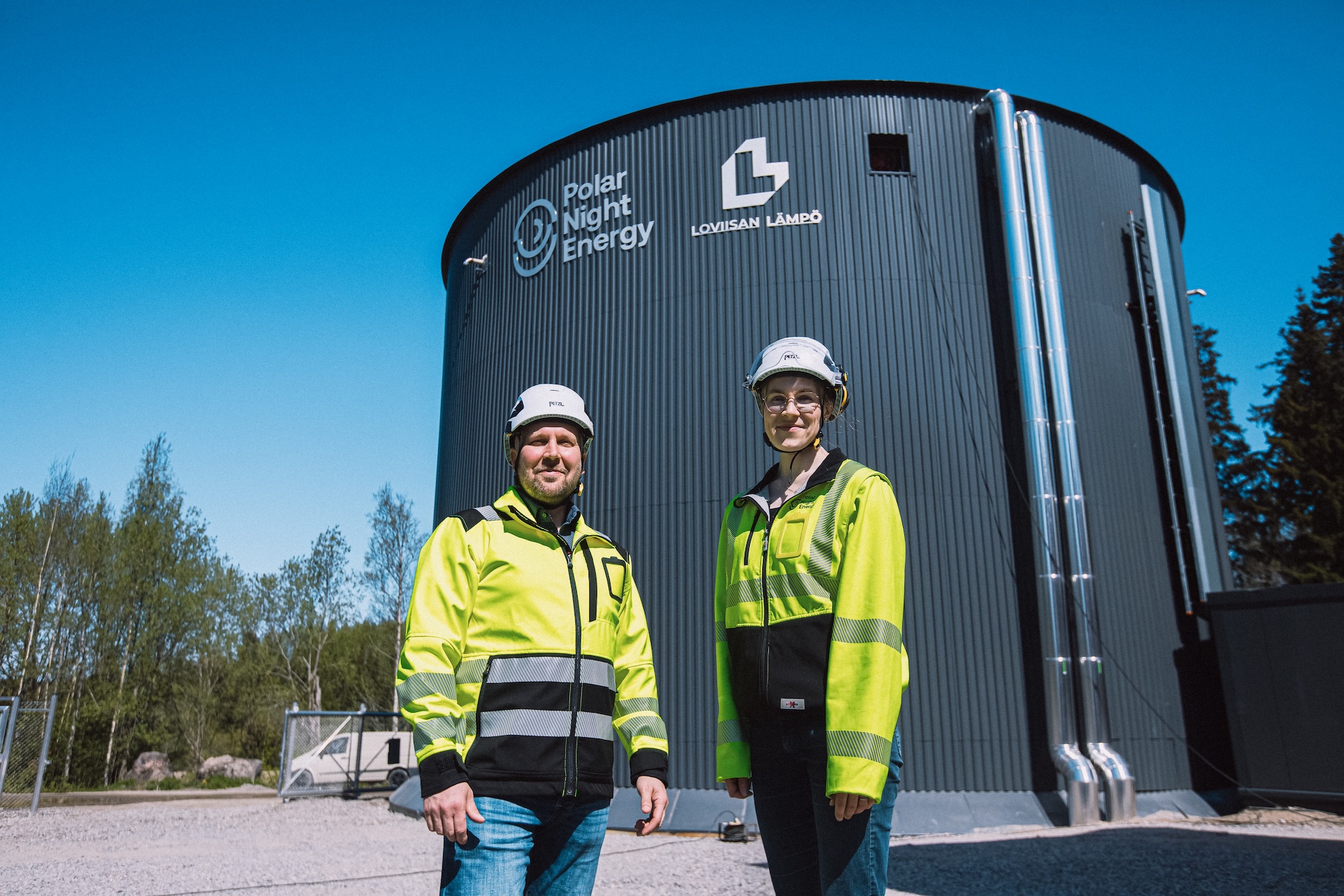
1/6Pornainen, a municipality in southern Finland, is using what CNBC describes as the world’s largest commercial sand battery to store renewable electricity as heat for district heating after its launch last year.
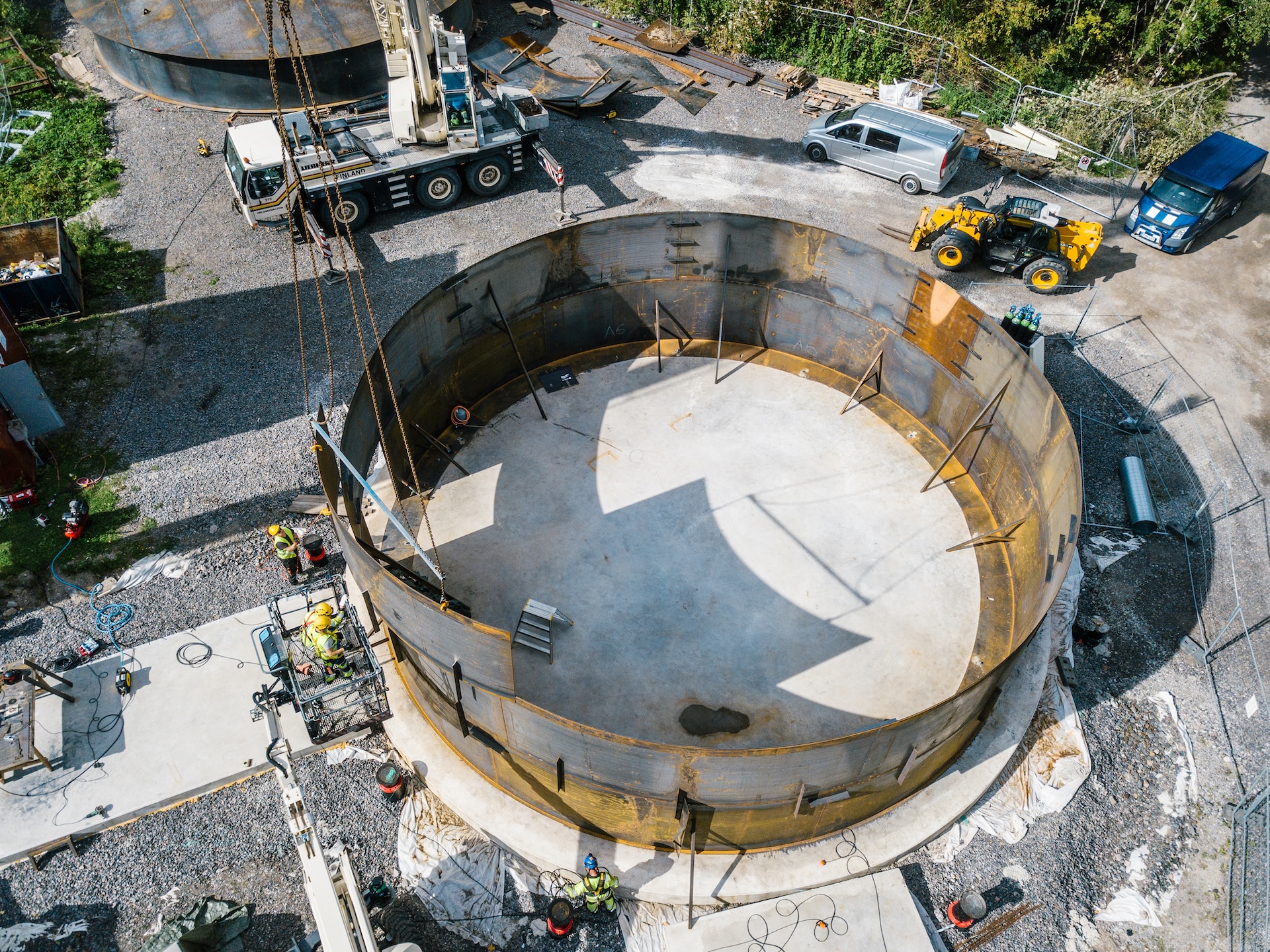
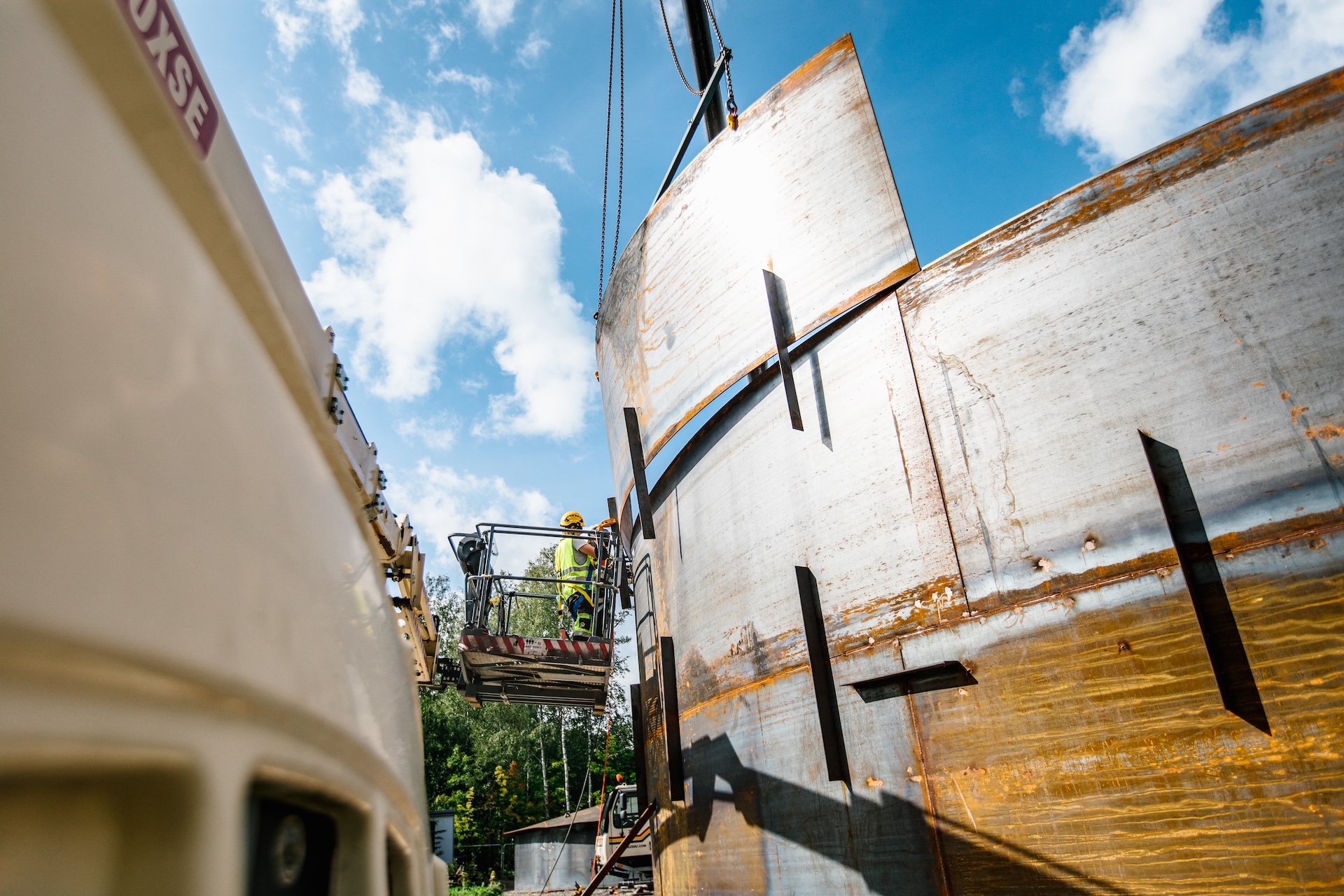
The facility, commissioned by Finnish district heating company Loviisan Lämpö and developed by Polar Night Energy, stands 13 meters tall and 15 meters wide. It uses 2,000 metric tons of crushed soapstone to provide 100 megawatt-hours of thermal energy, enough for Pornainen’s 5,000 residents for nearly one month of heat demand in summer or roughly one week in winter.
Polar Night Energy said the project was launched to add flexible heat production and reduce emissions from the local district heating network. The company estimated it has cut greenhouse gas emissions from the heating network by almost 70% and reduced wood-chip use by about 60%, while an existing wood-chip plant remains available for backup and peak demand.
Tommi Eronen, CEO of Polar Night Energy, told that Pornainen previously relied on burning oil and wood chips for heating, but the sand battery can now provide combustion-free heating for most of the year. “We’re changing from a world where big power plants were doing the energy production to where solar and wind are producing the energy, then we need a massive amount of storage,” Eronen said.
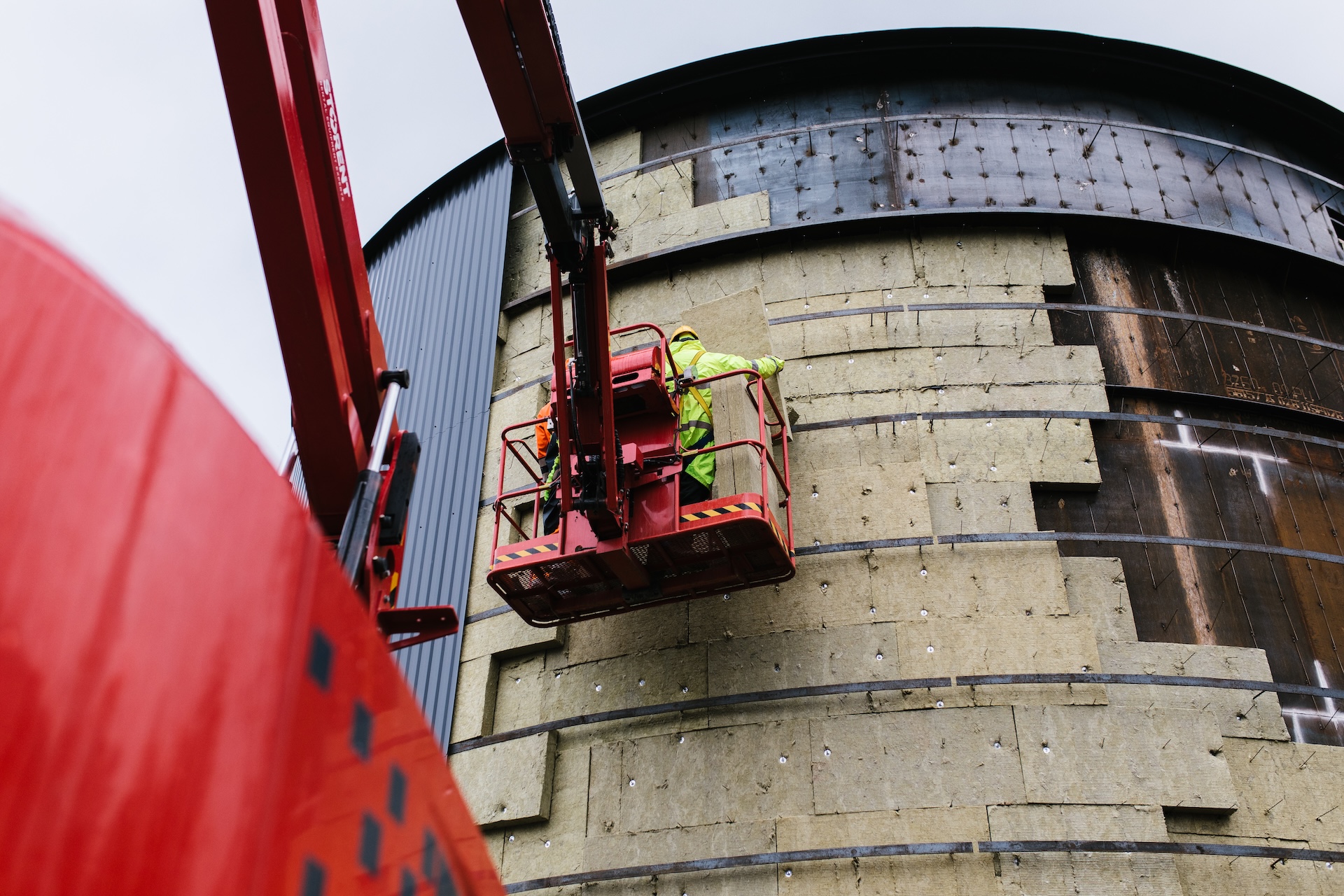
The technology takes electricity from the grid when wind or solar power is plentiful, heats the sand to very high temperatures and stores the heat in a heavily insulated silo for days or weeks before using heat exchangers to warm water for the district heating network. Annette Höglund-Dönnes, Polar Night Energy’s chief commercial officer, said the delay lets the company heat the sand when electricity is cheap and use steam when grid electricity would be expensive.
Jan Rosenow, a professor of energy and climate policy at the University of Oxford, told CNBC that electrothermal storage systems such as sand batteries are likely to be replicated because they do not need rare earths or critical raw materials and can store heat for long periods. CNBC said hurdles remain, including efficiently converting heat back to electricity and lower energy density compared with traditional batteries.
* Välisuudiste tõlkimisel võib olla kasutatud tehisintellekti abi.
Toeta nwsTraili
nwsTrail on sõltumatu välisuudiste veebileht. Sinu toetus aitab hoida sisu tasuta.