Japanese Study Warned Venezuela of Severe Earthquake Consequences 21 Years Ago
A 2005 report by the Japan International Cooperation Agency (JICA) warned of earthquake risks in Caracas and proposed solutions that would have reduced casualties and damage.
kolmapäev, 15. juuli 2026 16:39
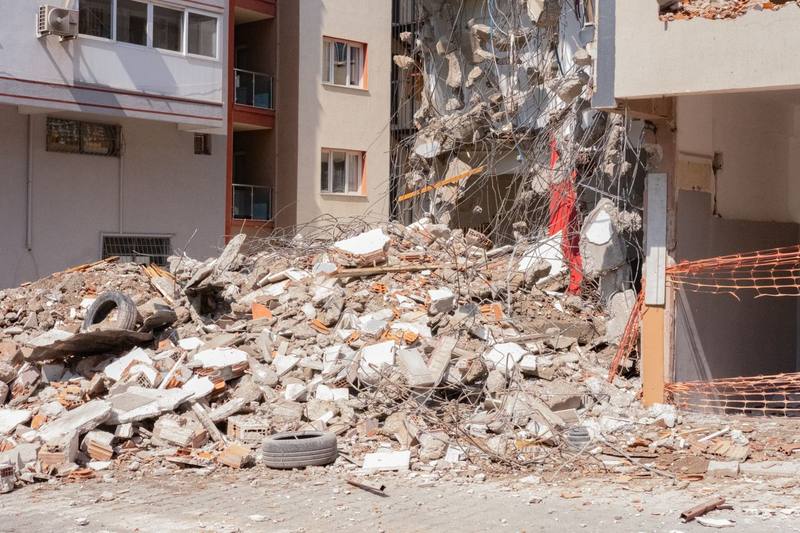
In March 2005, the Japan International Cooperation Agency (JICA) released a report titled “Basic Plan for Disaster Prevention in the Metropolitan District of Caracas in the Bolivarian Republic of Venezuela,” which warned of earthquake risks in Caracas. The study, led by a Japanese team headed by Mitsuo Miura, covered three of the five municipalities forming Metropolitan Caracas: Libertador, Chacao, and Sucre.
The report projected that, in the worst-case scenario, a considerable number of buildings in Caracas would collapse, leading to a high human cost. An estimated 98,237 buildings were vulnerable, particularly those built before 1967. The study indicated that buildings constructed after 2002 showed high seismic capacity, but these constituted only 0.1% of the studied area.
The Japanese team proposed a disaster prevention plan that included reinforcing buildings and bridges, implementing early alert systems, and educating the population. They estimated that the full implementation of the plan would cost around $2.8 billion and take 16 years. The report stated it would significantly reduce the number of heavily damaged buildings from around 10,000 to 1,300, and casualties from 4,900 to 400 in the event of a 1967-level earthquake.
In 2005, Japanese experts warned that Venezuela lacked a plan, authorities, and clear responsibilities to coordinate a disaster response. Following the June 24, 2026, earthquakes, which caused significant damage in Caracas, a new JICA research team arrived from Japan to help design support measures. Additionally, Japan sent tents, water tanks, and purification equipment, and erected two field hospitals.
Toeta nwsTraili
nwsTrail on sõltumatu välisuudiste veebileht. Sinu toetus aitab hoida sisu tasuta.